






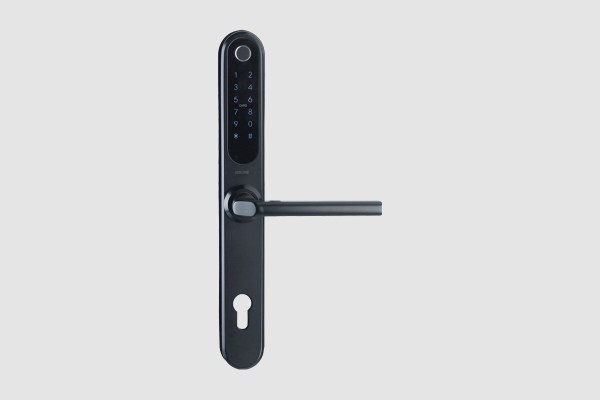











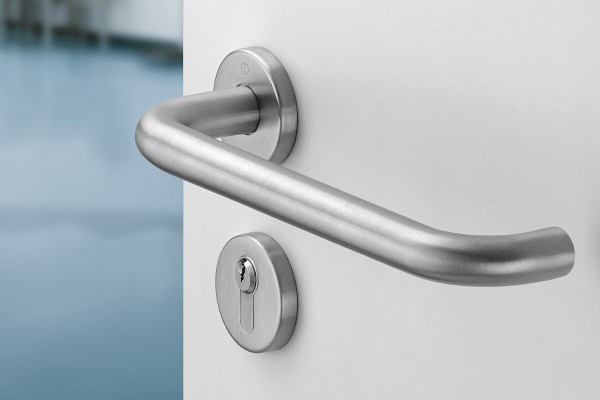
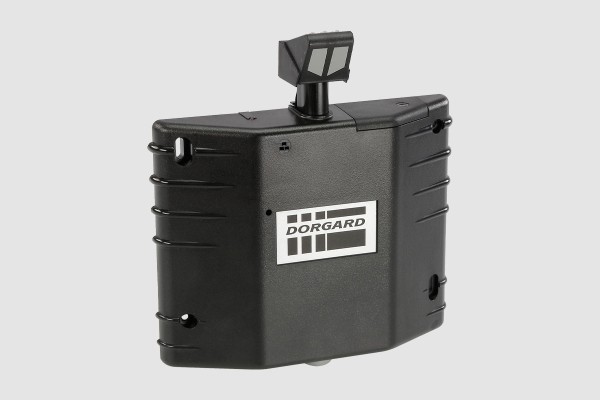

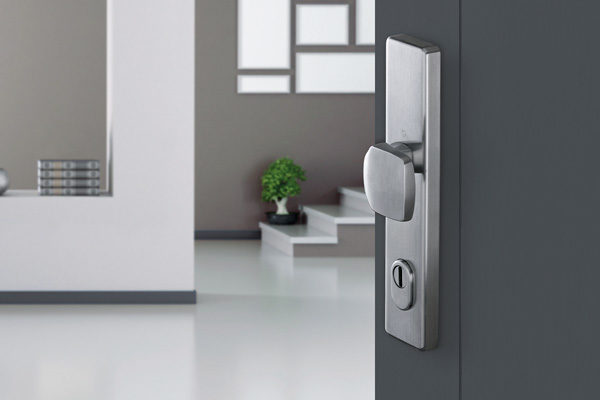
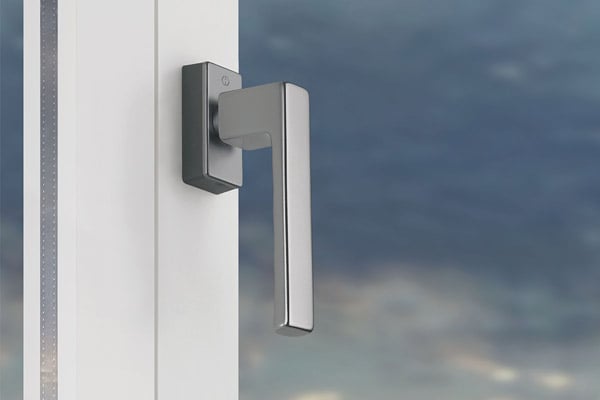
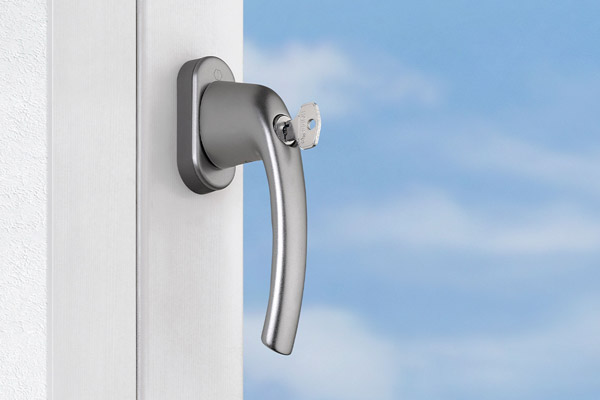
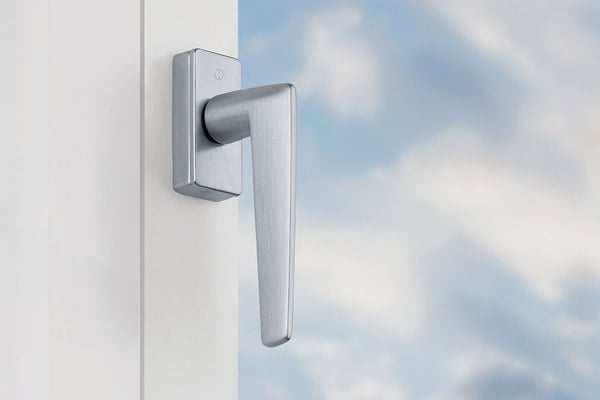
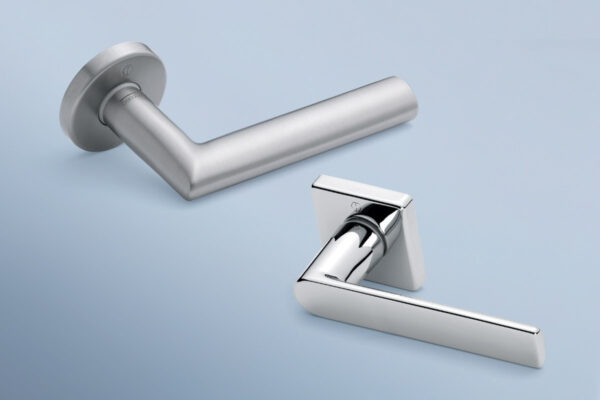
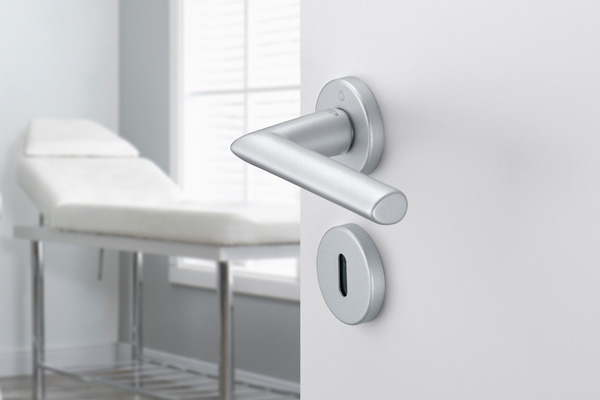
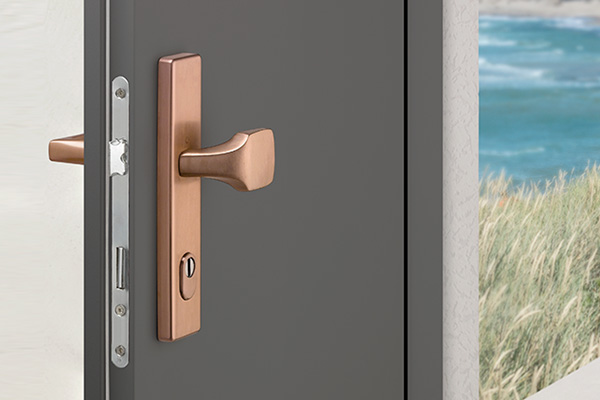
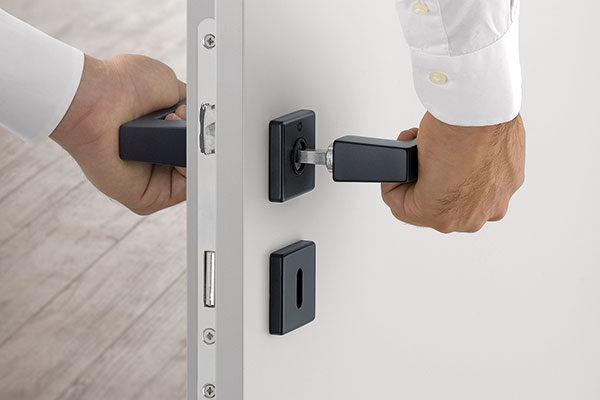
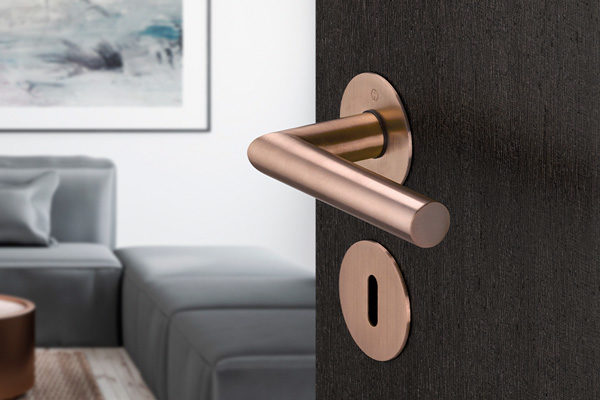
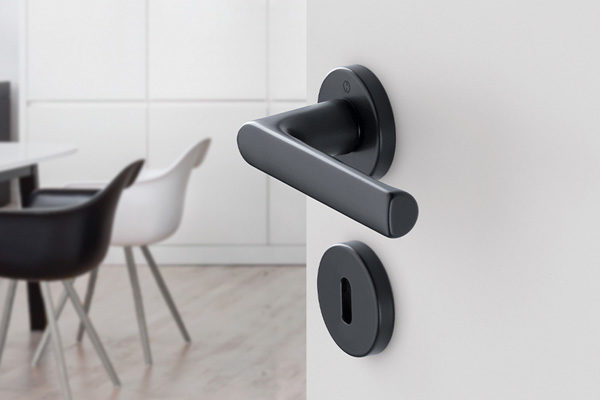
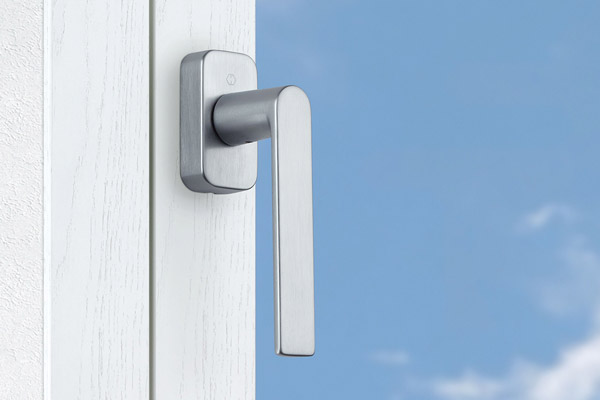
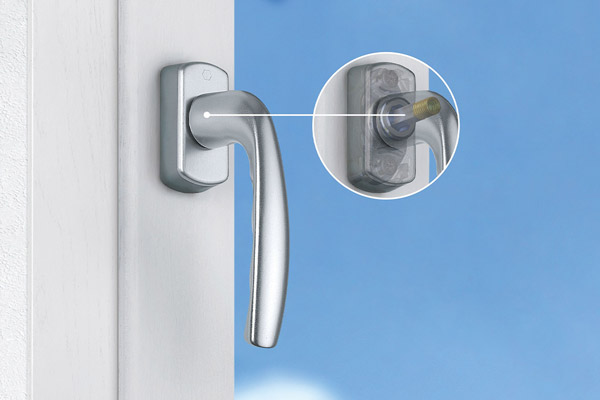
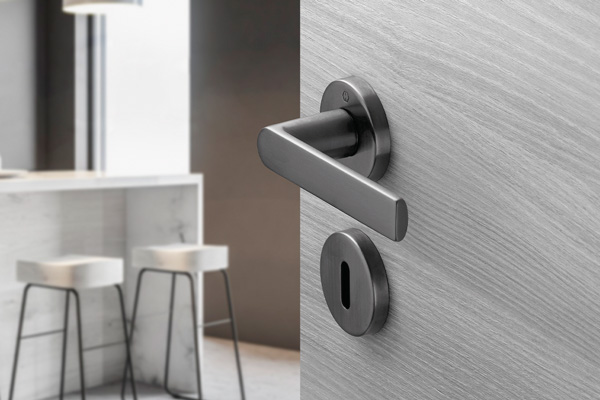
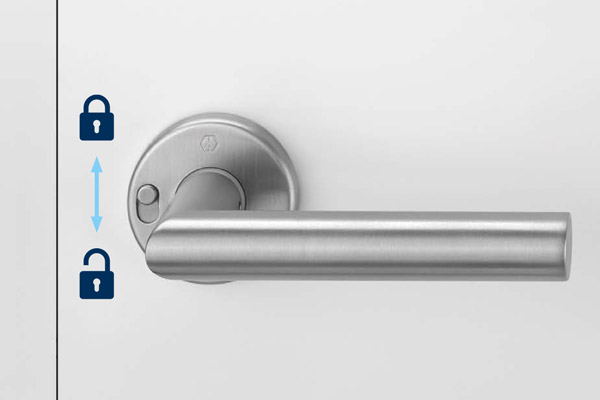

 makes them recognisable as such – and thus as the fulfilment of a promise of quality to everyone who uses our handles.








Standards
Standards are important sets of rules setting benchmarks. Among other things, they provide a basis for comparison for an often vast range of products. HOPPE and ARRONE products correspond to the requirements of various standards.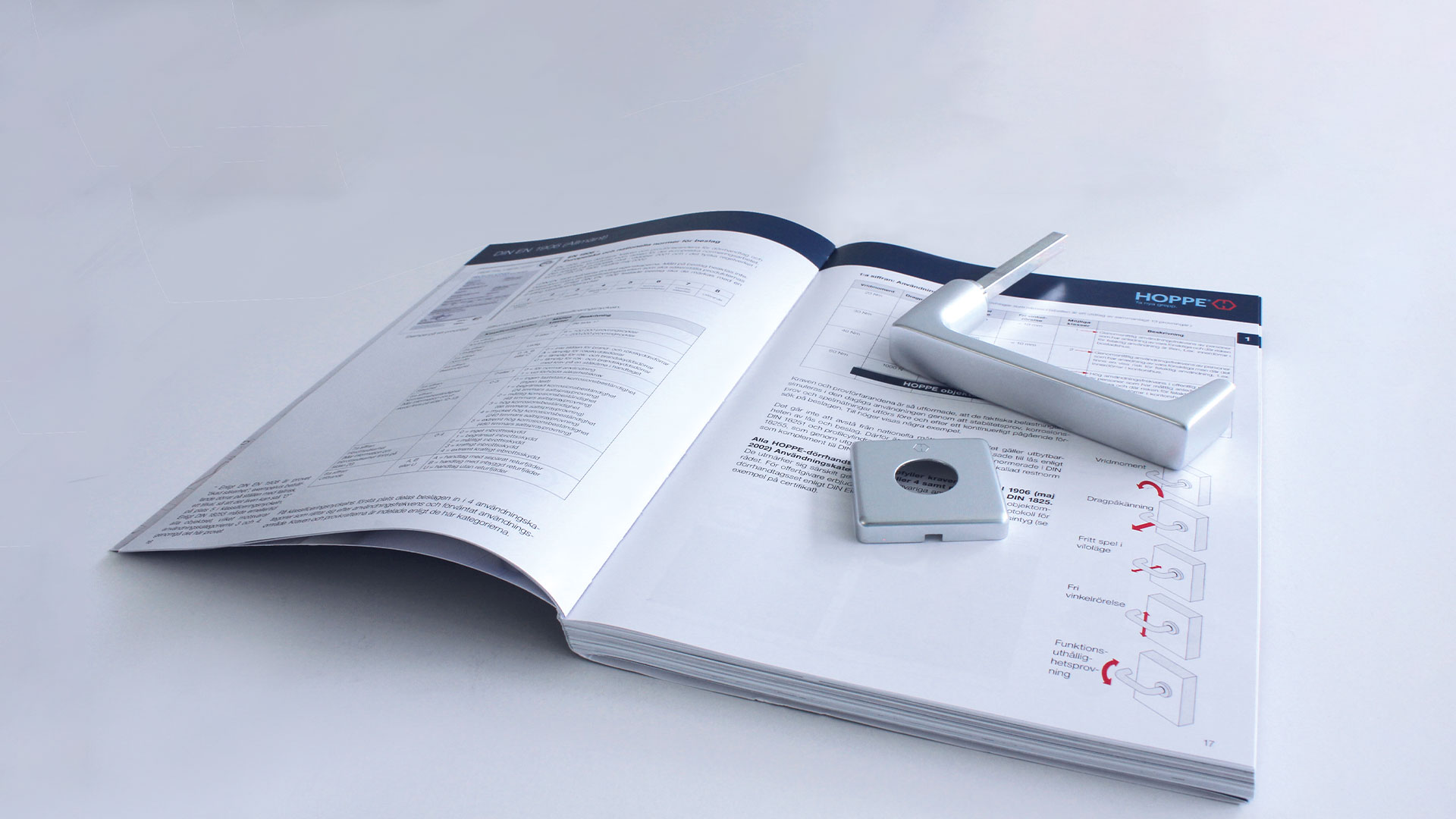
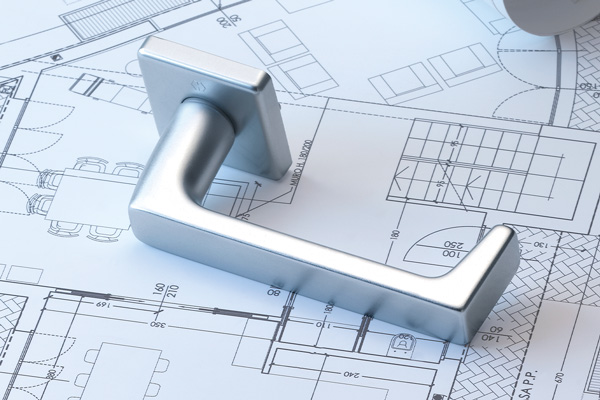
DIN EN 1906 – European and German Standardisation for Hardware
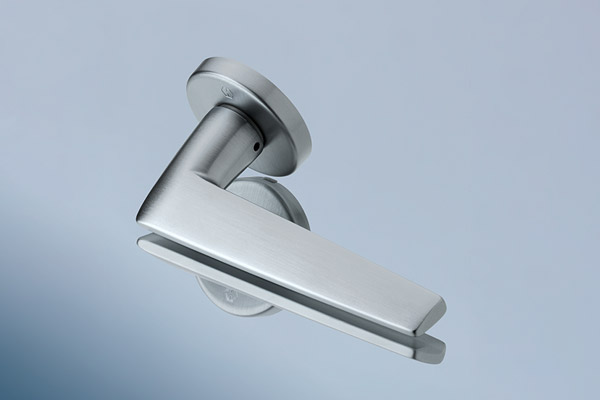
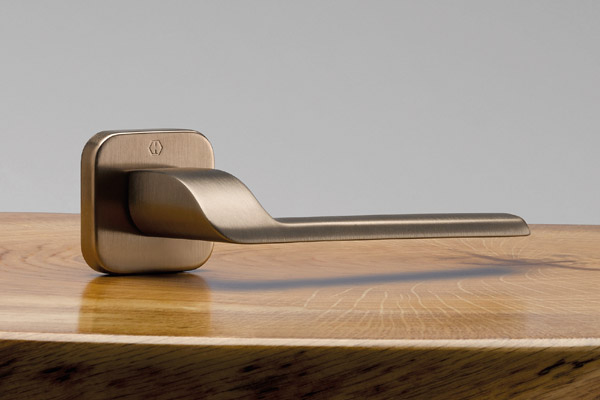
For the purposes of European standardisation, DIN EN 1906 has been introduced to specify requirements and test methods for door handles and door knobs. It was adopted on European level in October 2001, has been revised several times and is currently valid as EN 1906 – December 2012 issue.
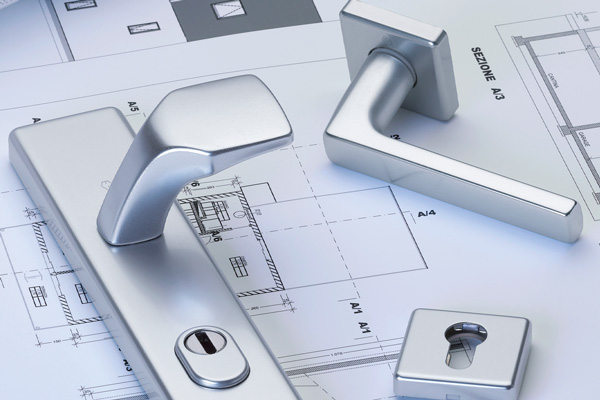
DIN 18257 and RAL-GZ 607/6 for Security Hardware
These regulations determine the terms, dimensions and tightened requirements as well as testing procedures for security hardware corresponding to the increased demands of the user and as a result of many years of police experience.
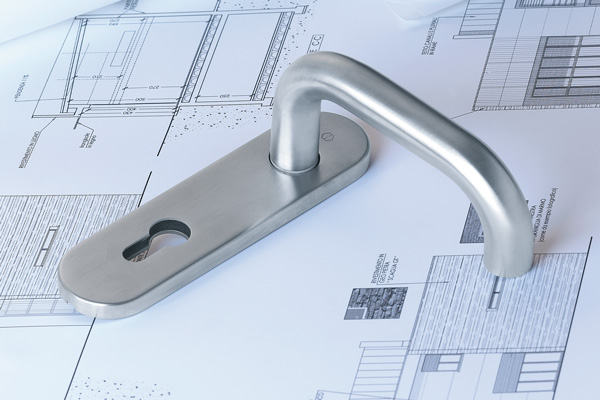
DIN 18273 for Fire-resistant and Smoke Doors
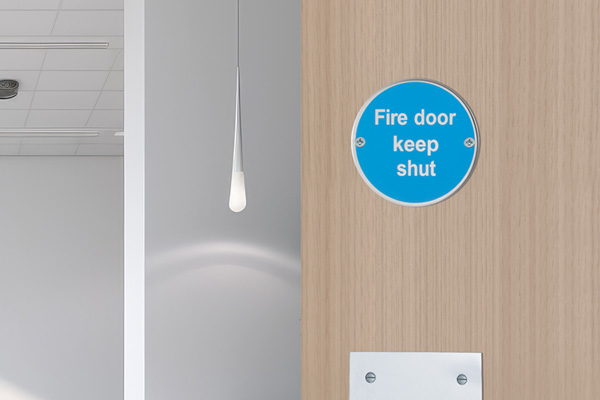
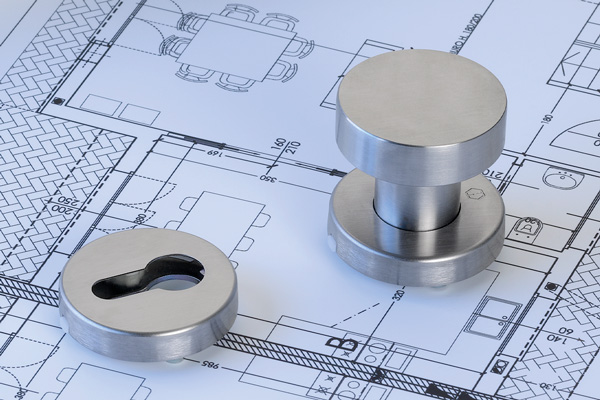
Fire-resistant handle sets must be manufactured according to the requirements of DIN 18273. This standard is valid for all fire-resistant door sets used in fire-resistant and smoke doors.
DIN EN 179 for Emergency Exit Devices
European standard DIN EN 179 for emergency exit devices has been in force since June 2002 and was revised in 2008. It defines the requirements and testing procedures, and provides firm recommendations for their application.
DIN EN 1125 for Panic Devices
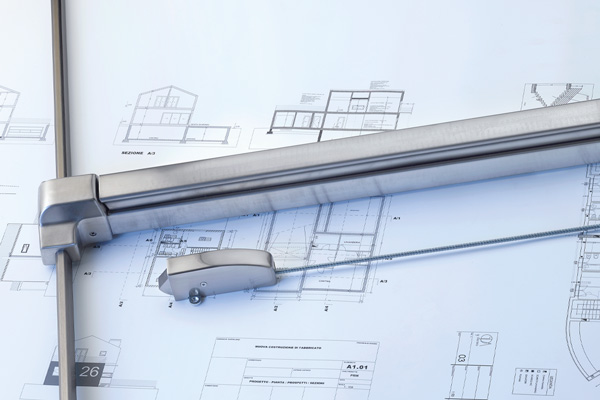
European standard DIN EN 1125 for panic devices has been in force since June 2002 and was revised in 2008. It defines the requirements and testing procedures, and provides firm recommendations for their application.
DIN EN 13126-3 and DIN 18267
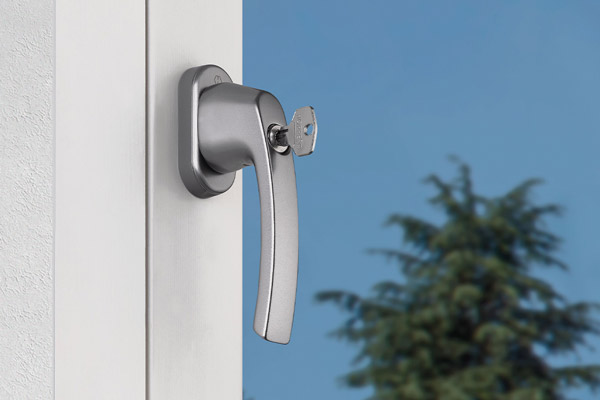
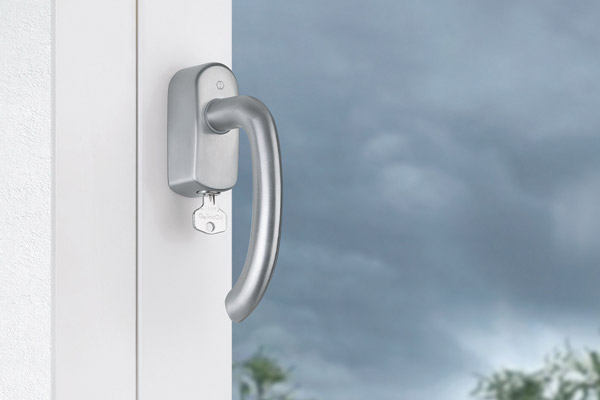
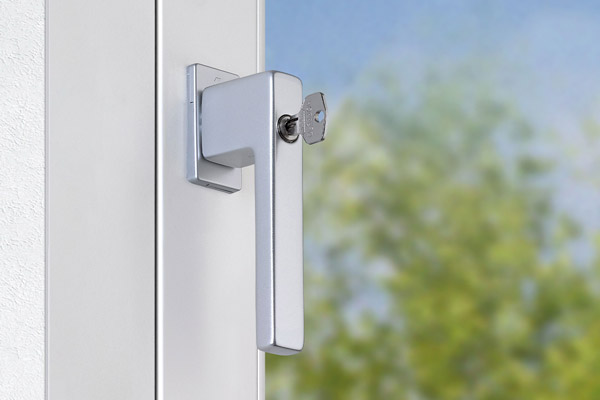
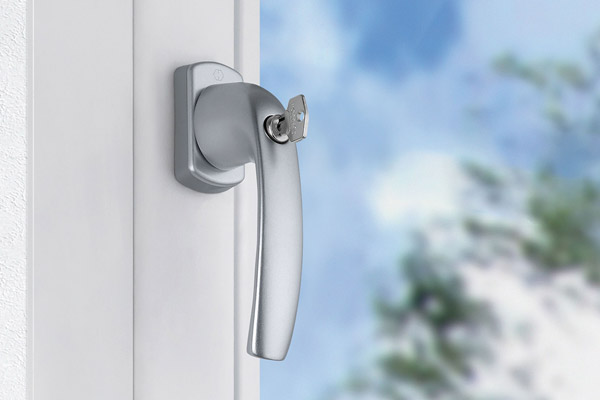
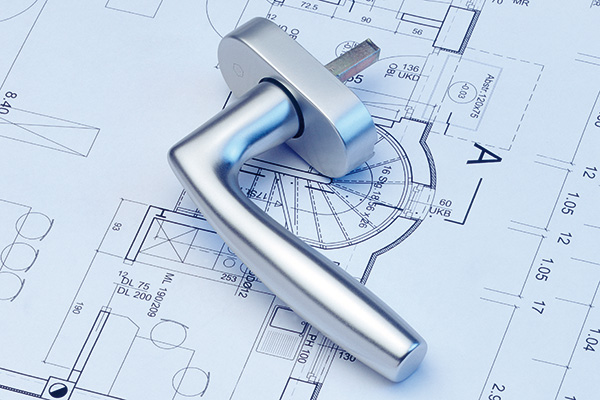
The European DIN EN 13126 standard deals with the hardware for windows and door-high windows. Part 3 of this series of standards defines the requirements and test methods for handles, in particular for tilt-and-turn , tilt-first and turn-only hardware. The dimensional specifications are defined in DIN 18267.
RAL-GZ 607/9
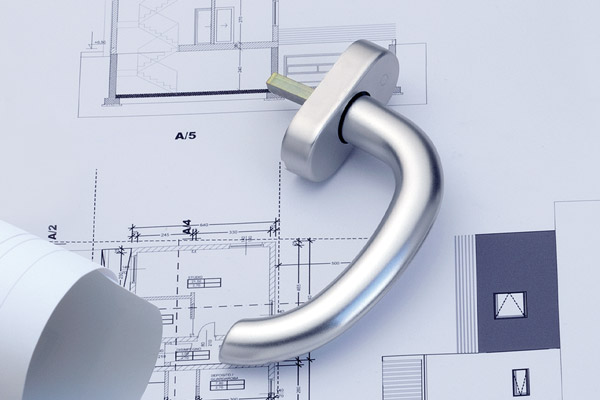
The quality and test specifications of RAL-GZ 607 define the requirements and the procedure for the quality assurance of locks and hardware. The revised DIN EN 13126-3 forms the basis for the revised quality guideline RAL-GZ 607/9 for window handles and window handles with protective effect (April 2023 edition).
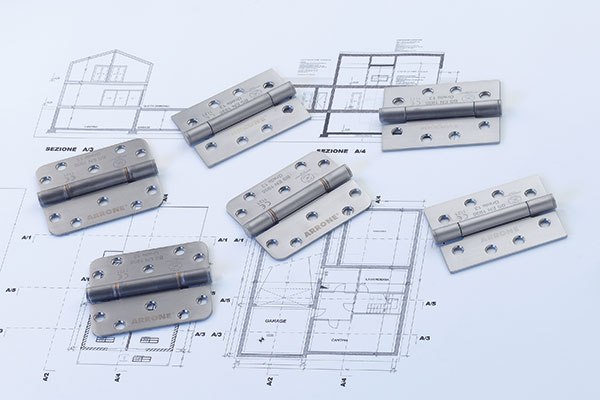
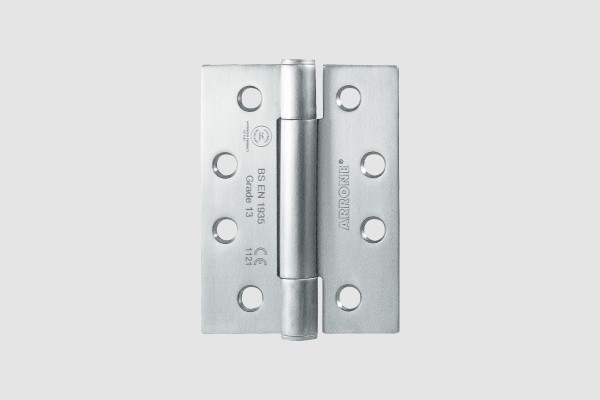
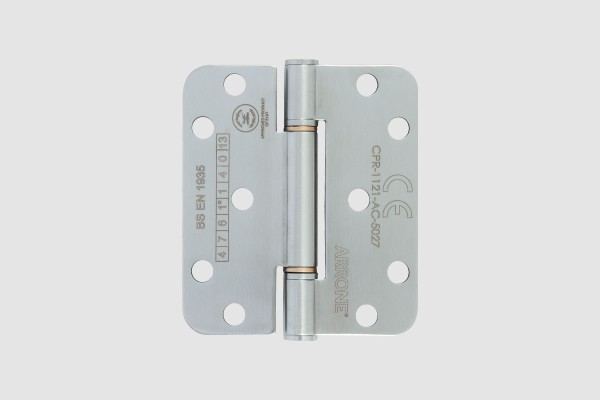
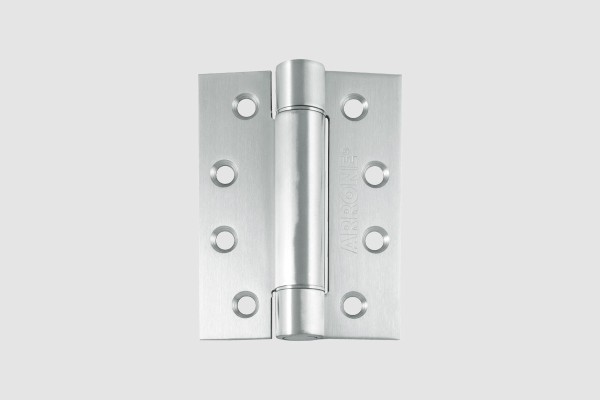
BS EN 1935 – Single Axis Hinges
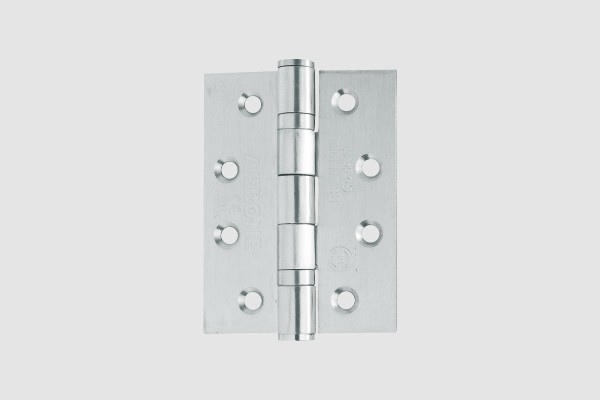
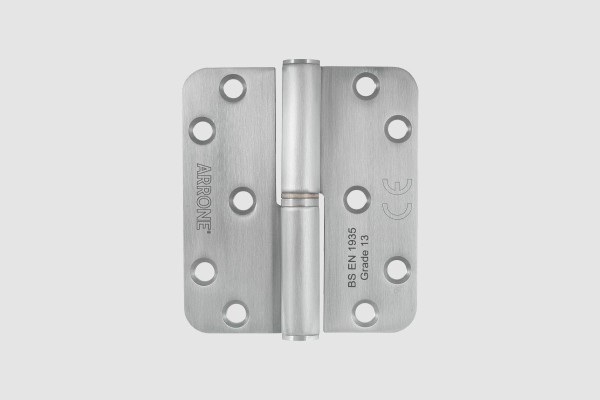
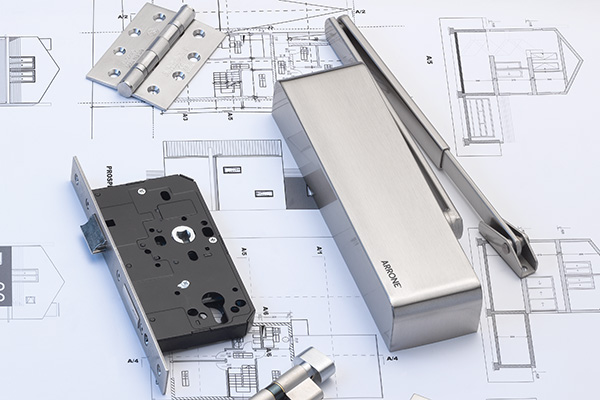
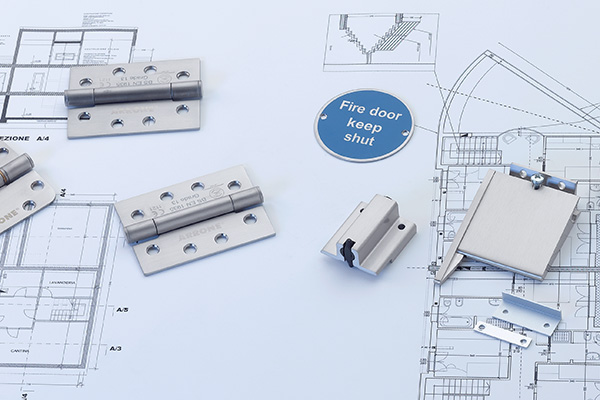
This European standard specifies requirements for single-axis hinges for windows and doors opening in one direction only, whose rotation axis is no more than 30 mm from the face of the sash or door. It covers both fixed pin and lift-off hinges and contains additional requirements for hinges intended for use on fire doors.
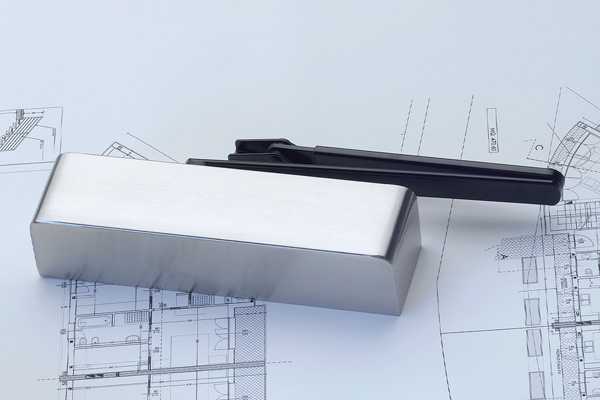
BS EN 1154 – Controlled Door Closing Devices
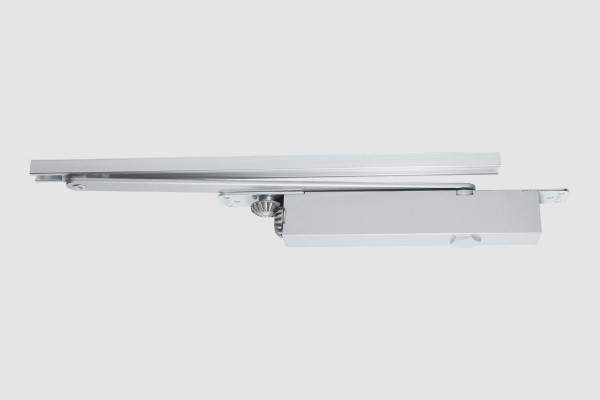
Providing details on product types, classification by use, test cycles, door mass, corrosion resistance, as well as definitions, product performance requirements, test apparatus, test methods and marking of products.
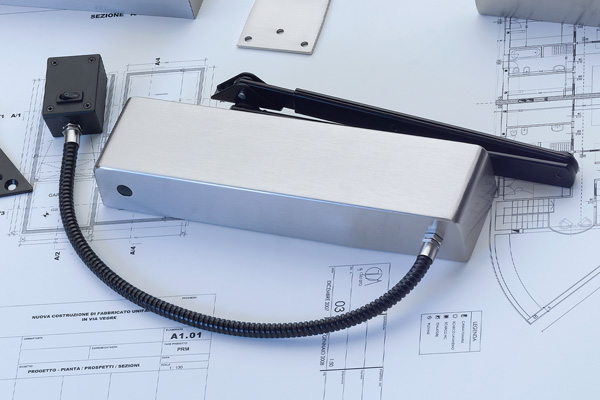
BS EN 1155 – Electrically Powered Hold-Open Devices
This European standard specifies requirements for separate hold-open devices and also for hold-open mechanisms incorporated in a door closer. Electrically powered hold-open devices for swing doors manufactured according to this European standard can hold a swing door at a fixed position or can allow the door to swing freely. In each case interruption of the electrical supply will cause the controlled door to close positively.
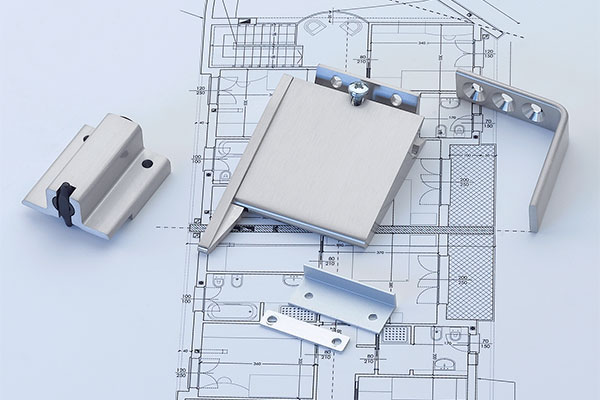
BS EN 1158 – Door Co-Ordinator Devices
This European standard specifies requirements for both separately mounted devices and mechanisms incorporated in door closers. There are additional requirements for devices for use on fire/smoke door assemblies.
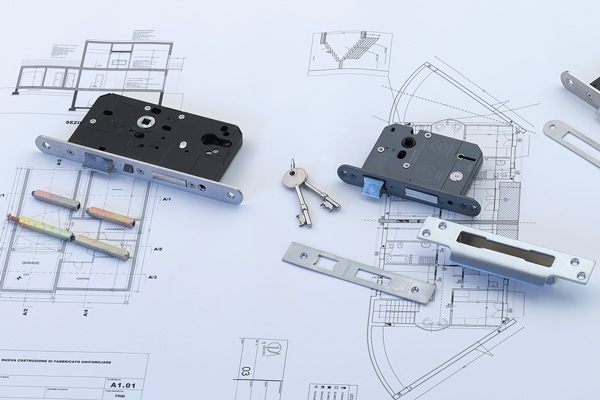
BS EN 12209:2003 – Mechanical Operated Locks, Latches and Locking Plates
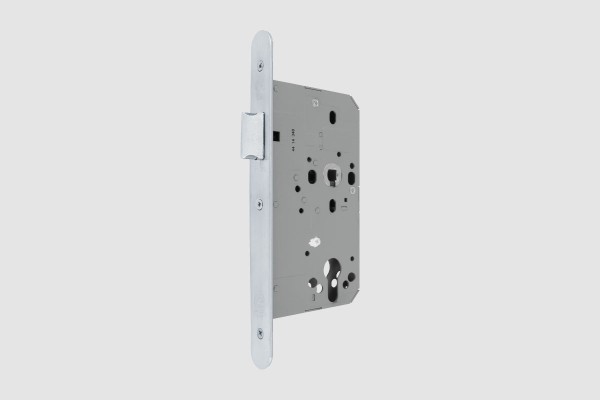
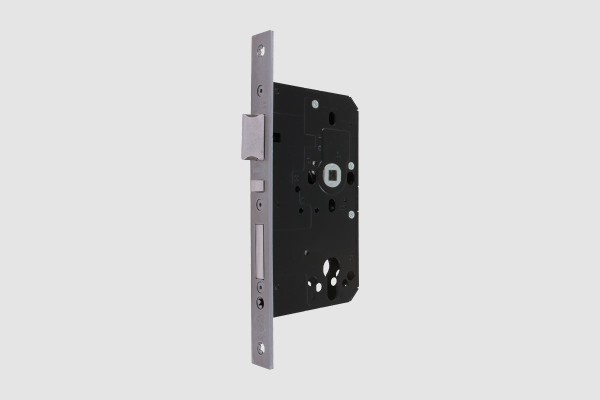
This standard specifies requirements and test methods for the durability, strength, security, and function of mechanically operated locks and latches and their locking plates for use in doors, window doors, and entrance doors in buildings. The ARRONE range of locks has been successfully type tested to all the requirements of BS EN 12209:2016. The classification achieved is given for each lock separately.
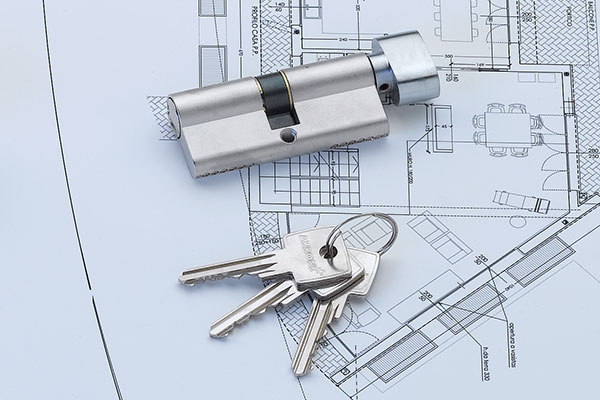
BS EN 1303 – Cylinders for Locks
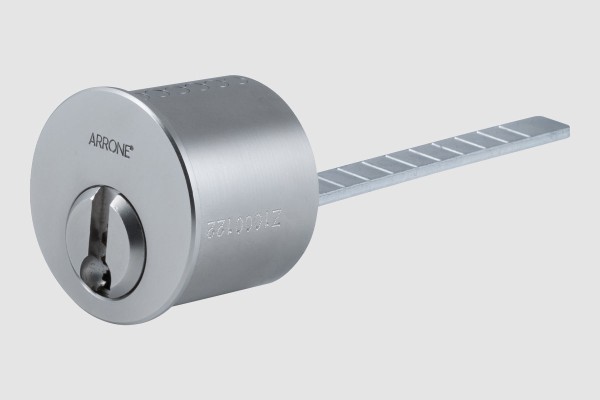
This European standard on cylinders for locks applies to cylinders and the locks they use. Using an 8-digit coding system each digit refers to a particular feature of the product measured against the standard’s performance requirements.
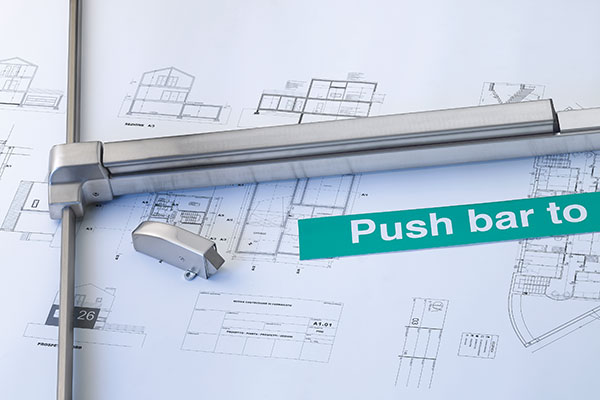
BS EN 1125 – Panic Exit Devices
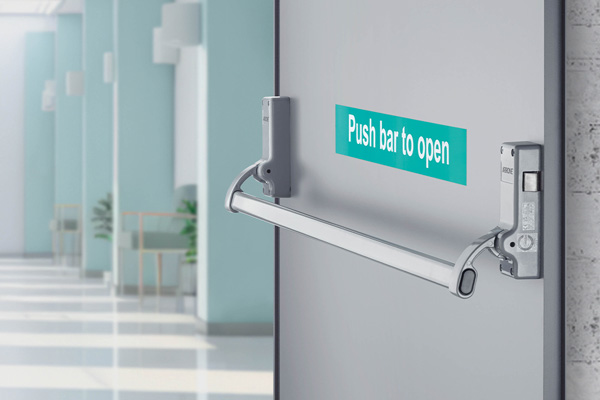
The main purpose of the performance requirements of this standard is to give safe and effective escape through a doorway with minimum effort and without prior knowledge of the device i.e. for locked doors on escape routes where panic situations can be foreseen. It classifies panic exit devices by using a 10-digit coding system, each digit referring to a particular feature of the product measured against the standard’s performance requirement. BS EN 1125:2008 applies to type A (push bar panic bolts) and type B (touch bar panic bolts).
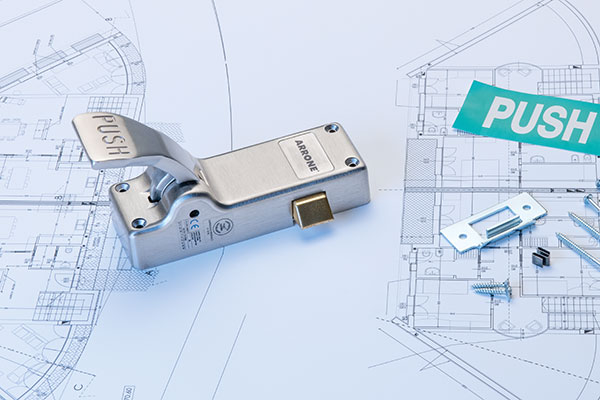
BS EN 179 – Emergency Exit Devices
This standard covers the devices to be used in emergency situations where people are familiar with the emergency exit and its hardware and therefore a panic situation is most unlikely to develop. Lever handle operated escape locks or push pads may therefore be used. BS EN 179 applies to type A (lever handle operated emergency devices) and type B (push pad operated emergency devices).
BS EN 1634 – Fire Resistance Tests for Door and Shutter Assemblies
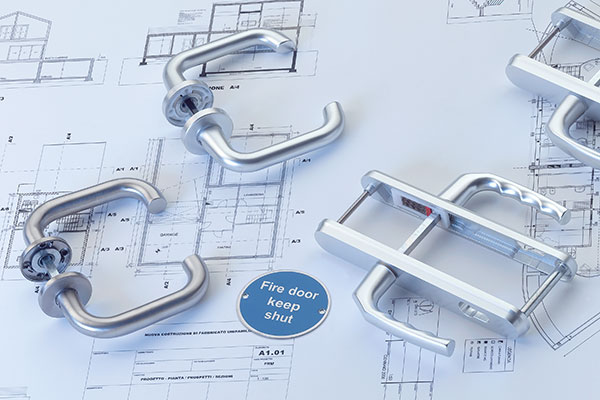
Fire-resisting doors serve three main purposes in a building; to restrict the initial development of fire; to restrict the spread of a fire; to protect escape routes. Under BS EN 1634-1 test regimes, a door withstands fire attack for a period of time, for example 36 minutes or 67 minutes, and for the purposes of regulations is then described as E30, E60, etc. (BS EN 1634-1).
BS EN 1906 – Lever Handle and Knob Furniture
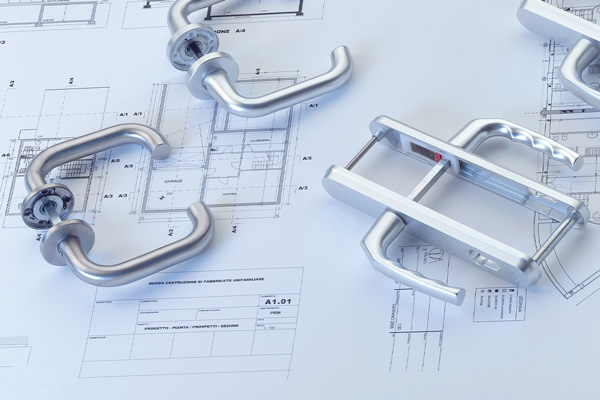
BS EN 1906 classifies door furniture by using an 8-digit coding system. A similar classification applies to all building hardware product standards so that complementary items of hardware can be specified to, for instance, a common level of corrosion resistance, category of use, etc. Each digit refers to a particular feature of the product measured against the standard’s performance requirements.