


























 makes them recognisable as such – and thus as the fulfilment of a promise of quality to everyone who uses our handles.

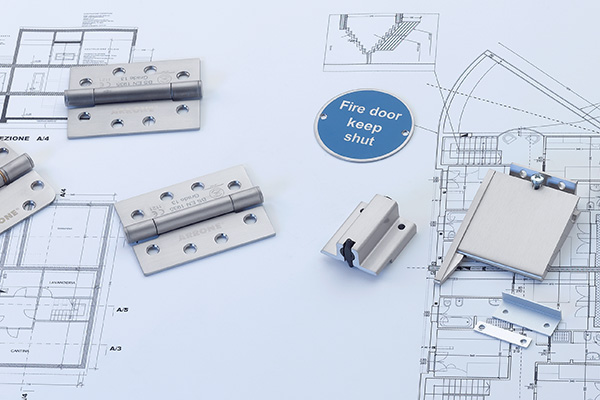




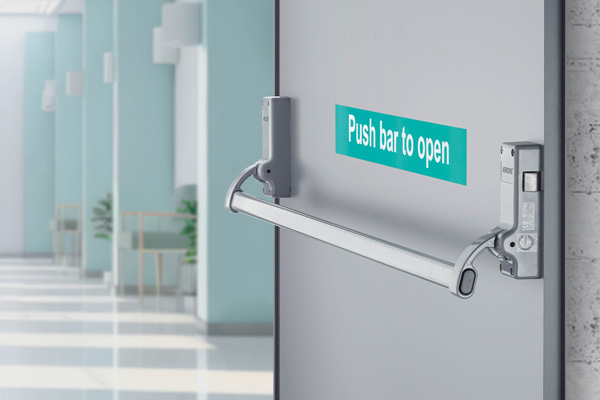



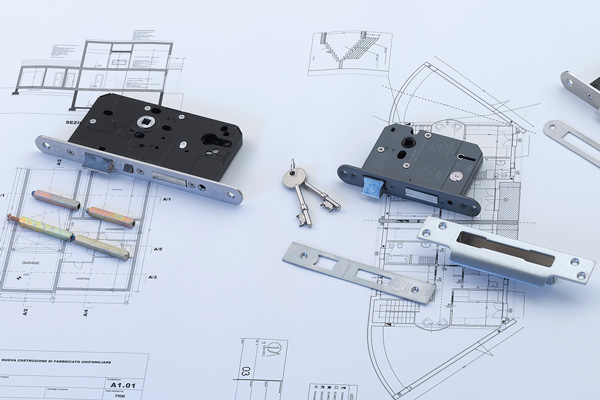
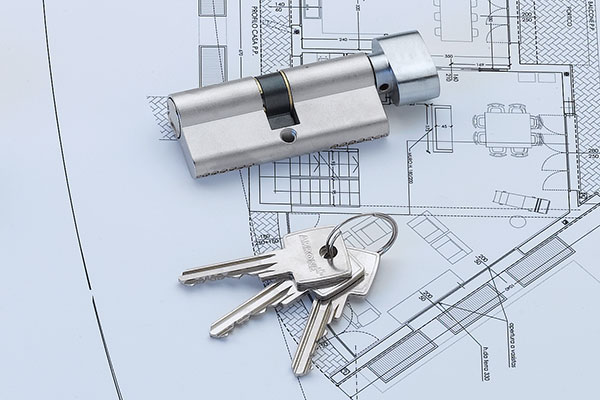
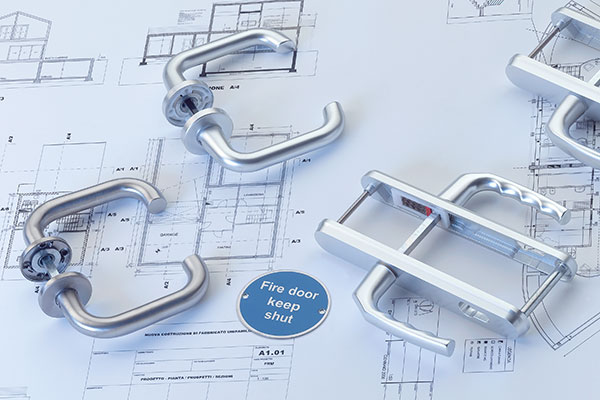
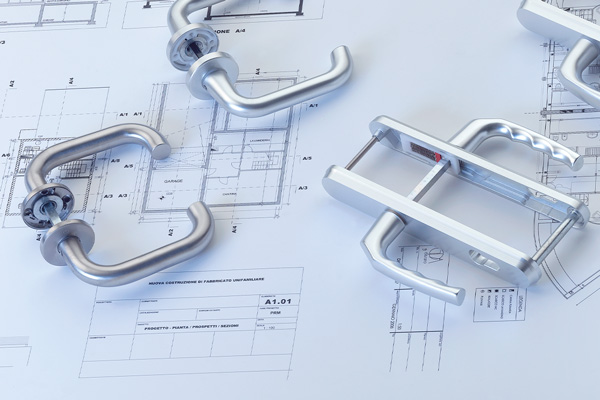

In an emergency, the evacuation of a building needs to be as simple as possible. It is essential that building users can open doors easily so that everyone can leave safely. Architectural ironmongery plays a key role in helping with this, so getting the specification right is key. Rob Adams, technical manager at ARRONE, a HOPPE brand, highlights some of the key considerations that must be made when it comes to panic and emergency exit hardware.
What is the difference between panic and emergency exit hardware?
The building’s type, application, its occupation levels, and where it is in the building must all be considered as to whether it is panic or emergency exit hardware that is required. The difference between the two is as follows:
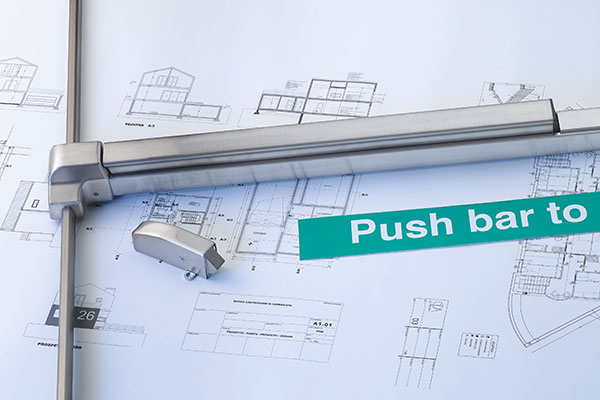
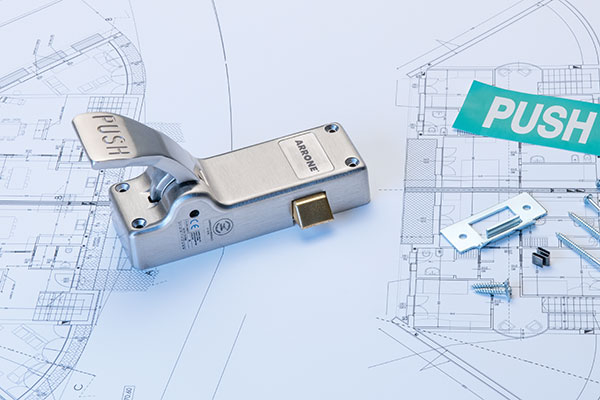
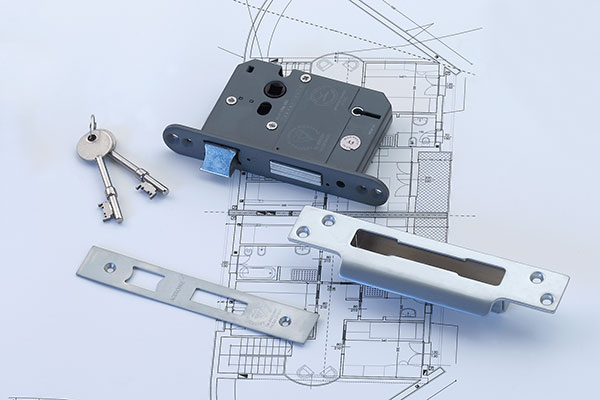
Emergency exit hardware is only used when building users are familiar with exit routes, such as private premises including offices and warehouses, and the building is not accessible to the general public. Devices for emergency exits could be a simple push pad type device or a lever handle that operates a mortice escape lock or nightlatch.
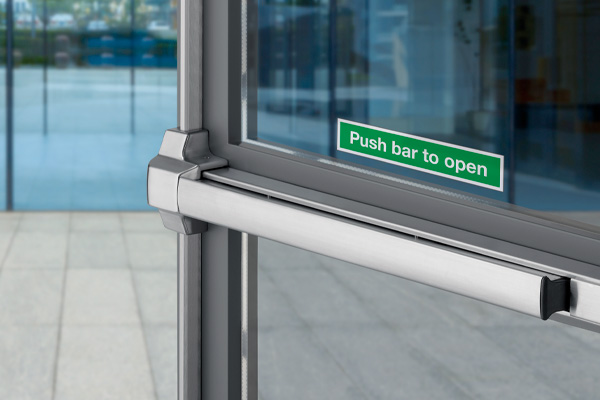
Panic hardware is used in buildings where members of the public have access to the building but may not be familiar with the exit routes, for example hotels, hospitals, stadiums, and cinemas. This also applies to any building that has more than 60 people in it.
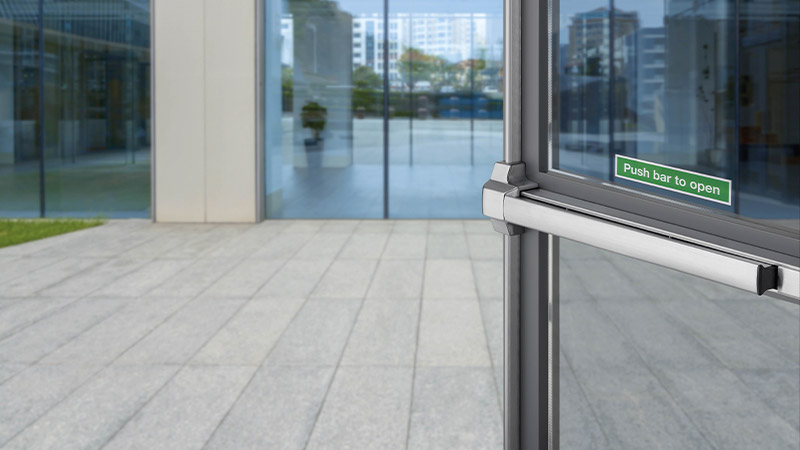
Any doors in areas that are accessible to the public must have a device fitted that is operable by a horizontal bar that covers at least 60% of the overall door width. As well as being easier to see and use from an accessibility point of view, it also adds another layer of safety functionality in the event of an emergency.
Performance standards
When it comes to panic or emergency exit hardware, there are two British and European Standards that specify the requirements for the manufacture, performance and testing of these particular products:
- Emergency exit hardware: BS EN 179:2008 applies to type A (lever handle operated emergency device) and type B (push pad operated emergency device).
- Panic hardware: BS EN 1125:2008 applies to type A (push bar panic bolts) and type B (touch bar panic bolts).
Both standards require the following markings to be visible on the product when fitted: the manufacturer’s name or trademark or other means of positive identification; an identification number of the certification body; and CE mark with an additional UKCA mark from 30 June 2025 as things currently stand.
There are also markings which must be visible before fitting: the number and year of the European standard; the full classification code for the product; and the month and year of final assembly by the manufacturer (which can be in a coded form).
Don’t forget security and accessibility
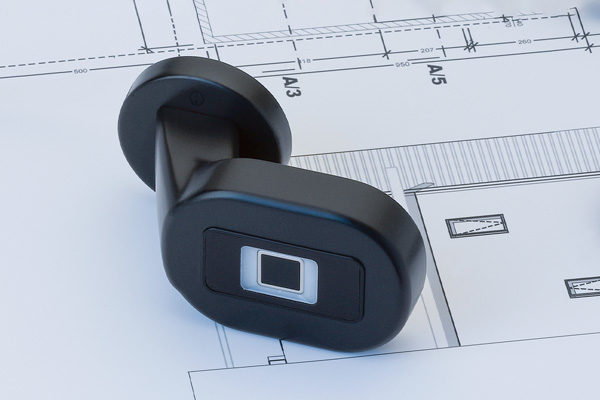
Any additional functions, such as enhanced security and accessibility, also need to be considered at specification stage as this will dictate the type of device needed.
To deliver a basic level of functionality and a standard level of security, a door may only require a device with a panic latch passage function. However, if there is an additional security requirement, a panic bolt device would normally be recommended.
A panic bolt has a vertical rod to suit the door height and has locating bolts that go into the floor and the top of the door frame each time the door closes, providing two locking points in total, instead of just one with a panic latch.
There is an ongoing need for panic and emergency exit doors in commercial buildings to also be accessible from the outside. For this, an Outside Access Device (OAD) is used. It can be locked to stop manual attack of the device and to prevent illegal entry to the building.
Follow installation guidance
Not all panic and emergency exit hardware devices are the same, so it is crucial that anyone installing this type of hardware reads the fitting instructions for each product. The hardware must be fitted correctly to the manufacturer instructions and guidance as this is potentially lifesaving hardware. Getting it wrong could result in expensive replacement work for the device and door, and it will invalidate all test evidence and certification for that product.
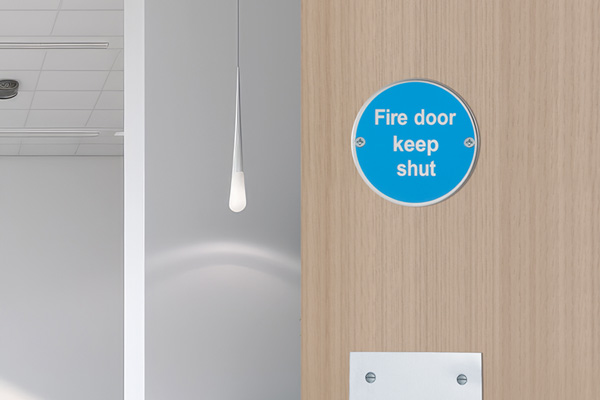
A pocket guide from ARRONE summarising everything you need to know about panic and emergency exit hardware is available to download from the HOPPE website. It includes a simple three step product selector, a section on frequently asked questions and advice on positioning hardware on different types of doors. It also gives key advice on other aspects such as the correct signage being present, whether other ironmongery function correctly and the checking of hinges and any other weather seals ensuring free operation of the door.
Further Articles on the Topic
Products HOPPE
-
Choosing the Right Handle for Slim Aluminium & Bi-Fold Doors
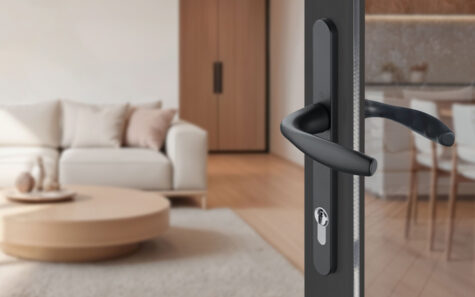
The demand for slim door profiles continues to rise, especially in modern aluminium and bi-fold door systems. This makes selecting a slim, well designed, narrow backplate door handle essential.
To the article -

How the ARRONE AR8990 Concealed Hinge Transforms Modern Interior Design
Door hardware plays a significant role in interior design. Although it is often viewed as functional - something that helps a door to open and close, it is the final touches that can make a room look complete.
To the article -

Why Choose Anodised Aluminium for Door Handles
This blog post explores anodised aluminium, a sometimes-overlooked material, including its durability, aesthetics and sustainability.
To the article -
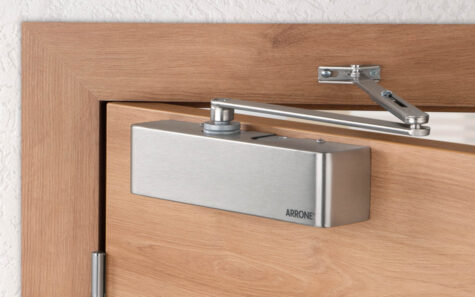
Door Hardware that Saves Lives
Fire doors are critical to building safety; they compartmentalise areas within a building to contain fires and protect lives. The way they perform not only depends on how they’re installed, but also on the door hardware used.
To the article -
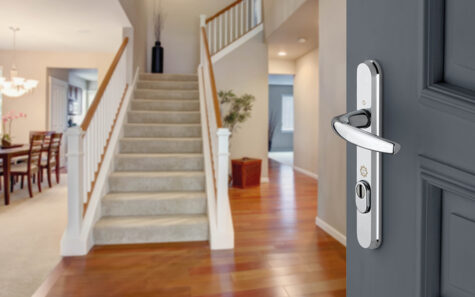
HOPPE Atlanta Security Handle: The Benchmark for Security, Quality, and Design
Launched in 2005, the Atlanta handle is one of HOPPE (UK’s) longest standing and best-selling products. Designed with a blend of security, style, and user comfort, it has become a trusted choice for installers and end-users alike.
To the article -

The Role of Certification in Door Hardware
Rob Adams, technical manager for ARRONE, is responsible for making sure all new and existing products have the right certifications. This includes having the right evidence for CE/UKCA marking in place.
To the article -
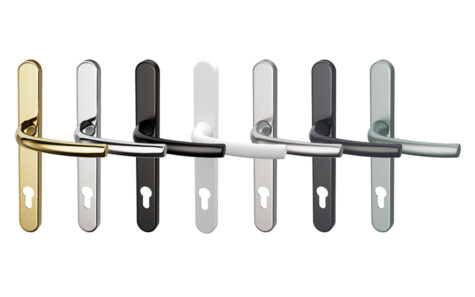
DEBAR BI-FOLD HARDWARE Teams Up With ARRONE To Let The Outdoors In
DEBAR BI-FOLD HARDWARE has become the first bi-fold door hardware systems manufacturer to offer the ARRONE AR7550 lever handle.
To the article -
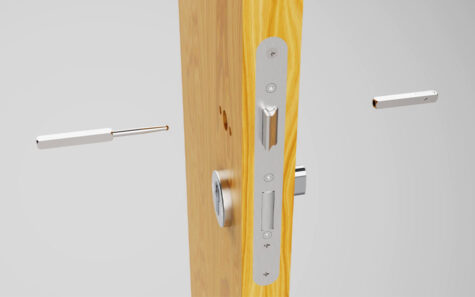
ARRONE Launches Innovative Split Spindle
The AR227 split spindle is designed to address challenges faced while installing escape locks.
To the article -
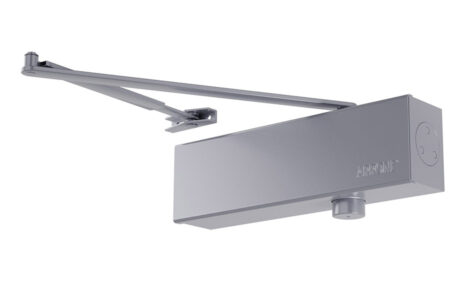
A Guide to Ironmongery for Steel Doors
A steel door can provide enhanced safety and security for buildings and their occupants. Our guide will help you choose the right hardware.
To the article -
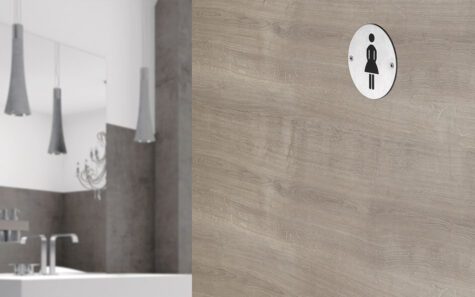
The Importance of Architectural Signage in Public Buildings
Specifiers and building managers have a moral duty to ensure building users feel comfortable and safe as well as to make sure a building is easy to navigate throughout. Signage plays an important part in this, but there are multiple considerations to ensure it is accurate and compliant with regulations.
To the article