


























 makes them recognisable as such – and thus as the fulfilment of a promise of quality to everyone who uses our handles.








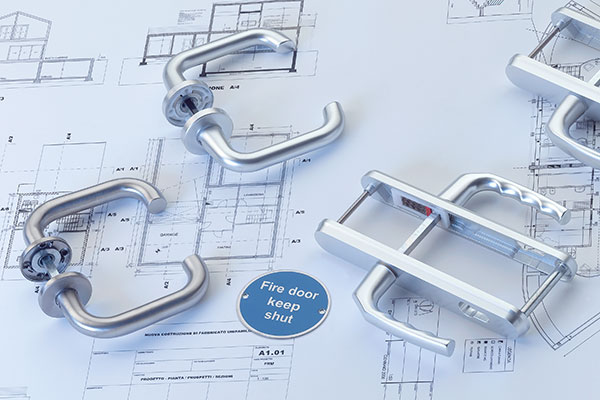
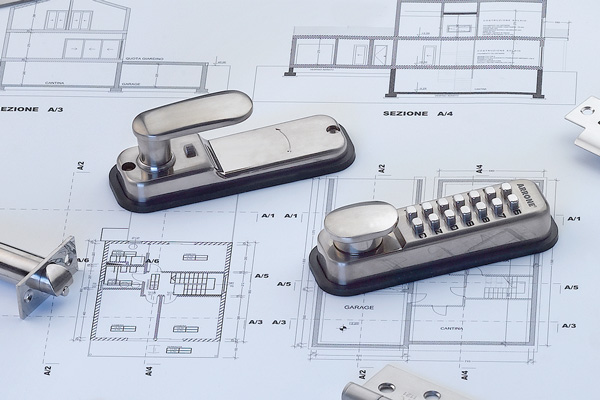

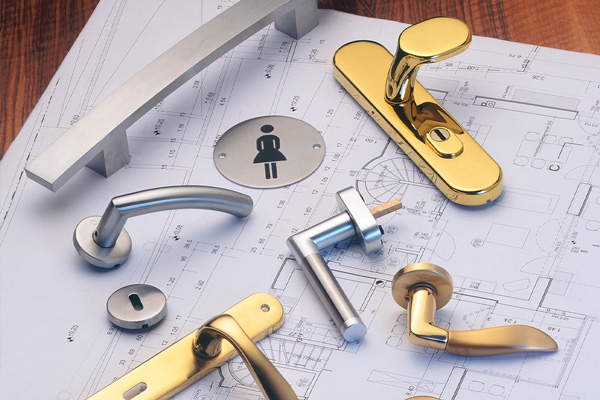
Fire doors are critical to building safety; they compartmentalise areas within a building to contain fires and protect lives. The way they perform not only depends on how they’re installed, but also on the door hardware used.
To be effective, a fire door must close securely into its frame, forming a barrier that slows the spread of fire and hazardous smoke for a designated period. This delay provides occupants with valuable time to evacuate safely.
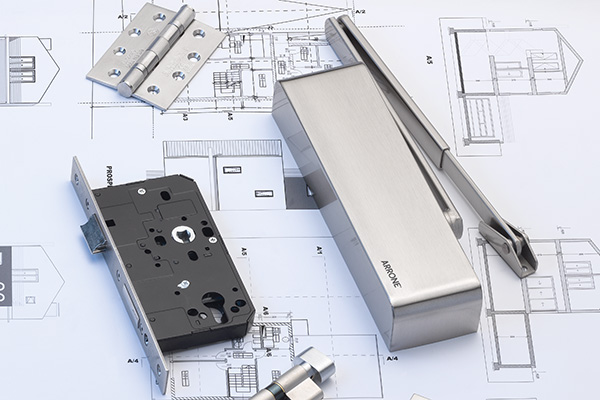
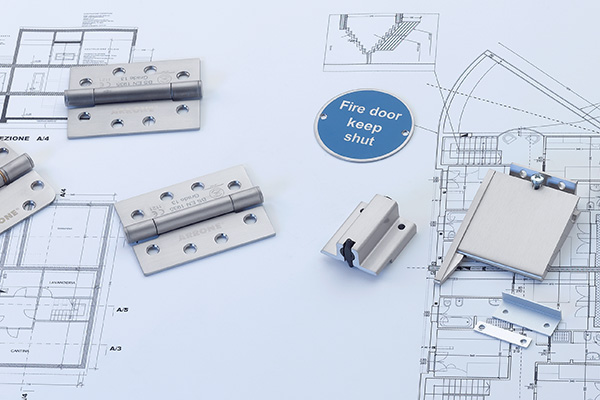
Equally important is the door hardware itself. The three types of hardware critical to the performance of any fire door are hinges, door-closing devices, and locks or latches. Each plays a crucial role in ensuring the door operates as intended during an emergency.
The Vital Role of Hinges in Fire Door Safety
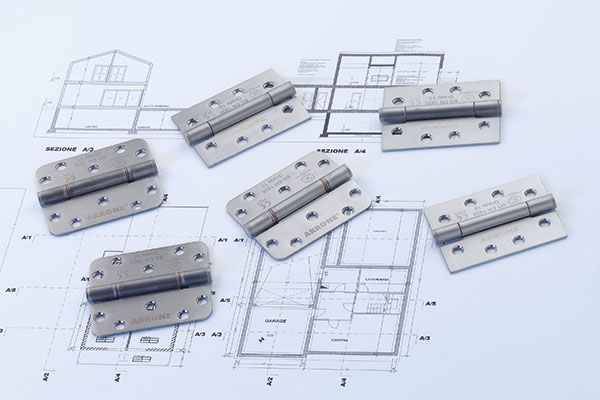
Hinges are vital to maintaining the structural integrity and fire-resisting capabilities of a fire door.
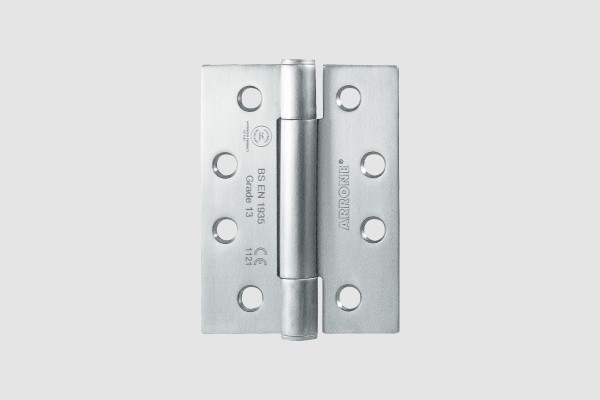
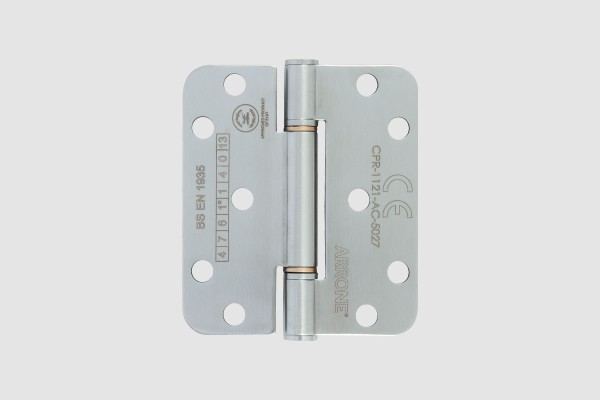
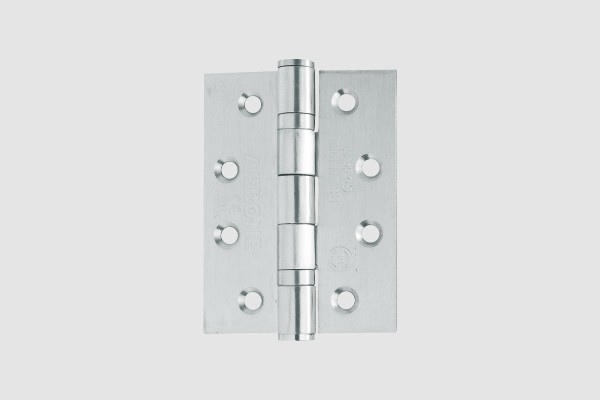
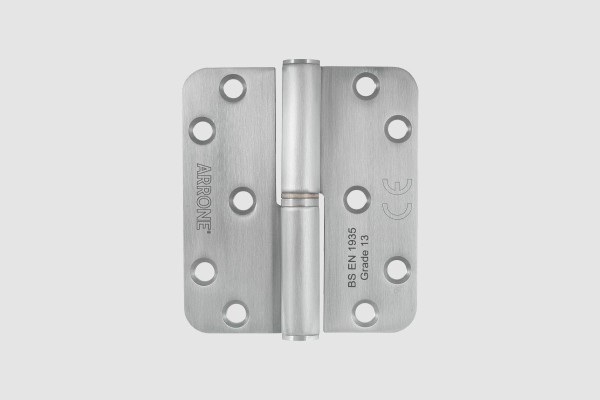
Imagine a fire breaking out in a busy public building such as a shopping centre, school, or office. A fire-rated door properly fitted with certified Grade 13 hinges, the correct intumescent kit, and securely fastened screws will help the door hold firm against intense heat and pressure. These hinges enable the door to remain in its frame, maintaining the integrity of the fire barrier.
This containment prevents the fire from spreading into evacuation routes, giving people time to escape. If unsuitable or poorly maintained hinges are used, the door may warp or drop, leaving a dangerous gap through which smoke and flames can pass.
Hinge Requirements for Fire Safety Compliance
Selecting the correct type and number of hinges is essential for compliance with fire safety standards. To meet UK fire regulations, a fire door must have a minimum of three hinges, with more required depending on the door type and specifications.
A typical fire door weighs between 40 and 60 kilograms. ARRONE Grade 13 hinges are designed to support door weights of up to 120 kilograms and are suitable for doors with heights of up to 2.1 metres.
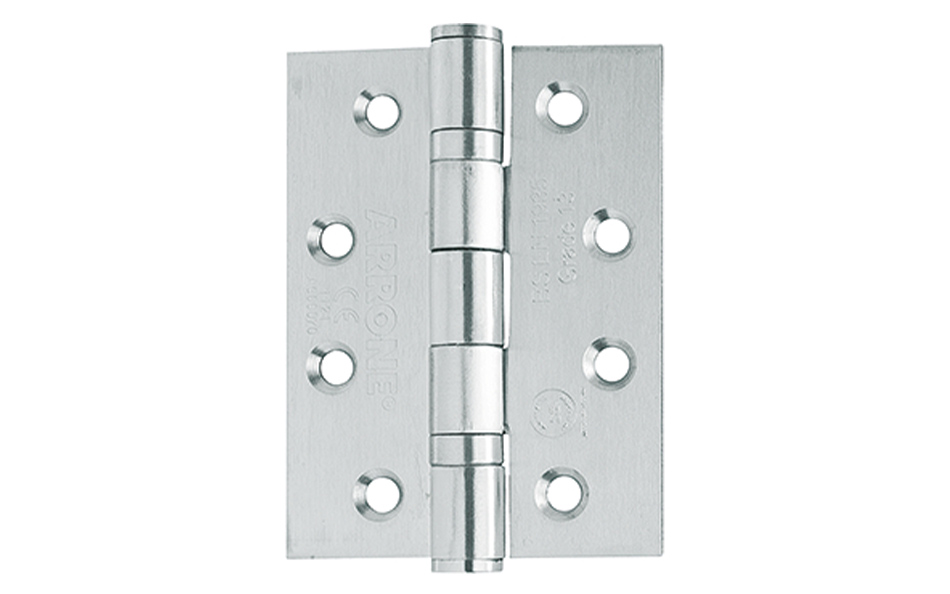
Tested to the highest levels of performance in accordance with BS EN 1935, ARRONE hinges are fire-tested, UKCA/CE marked, and third-party Certifire approved where applicable.
Intumescent hinge pads are positioned behind the hinge on both the door and frame for protection in the event of a fire, where required by the door’s test evidence. ARRONE Intumescent Hinge Pads are available for all ARRONE hinges.
The Critical Role of a Door Closing Device in Fire Safety
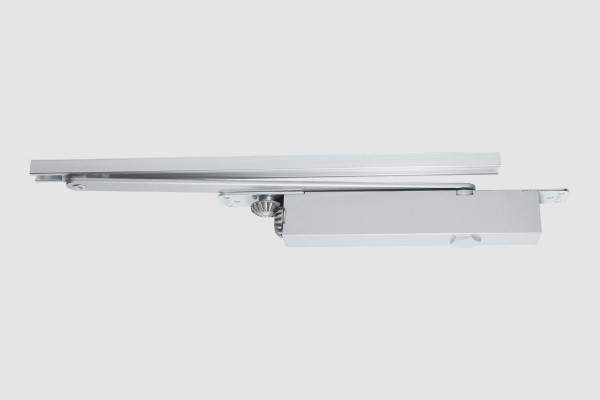
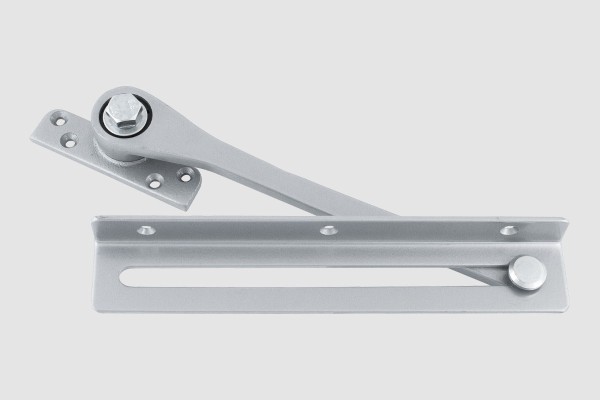
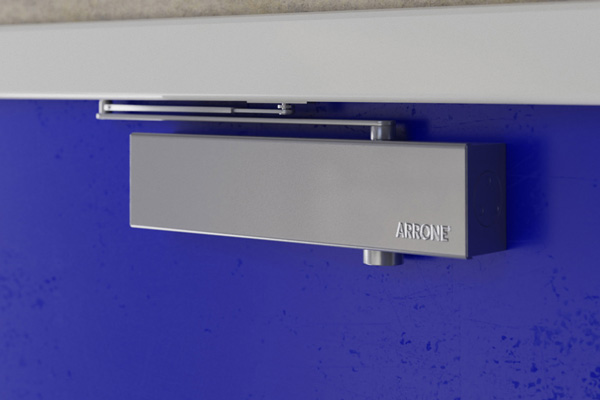
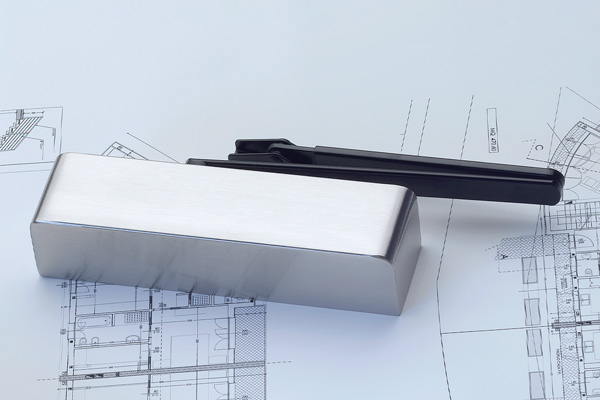
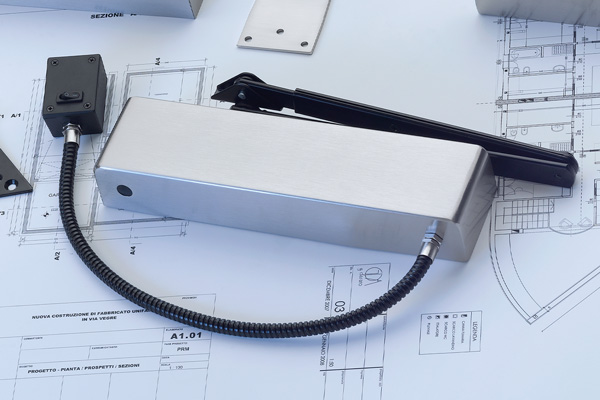
A door closing device, such as an overhead door closer, are used to ensure fire doors shut properly, critical in the event of a fire. A door closer works by gently pulling the door closed until it fits tightly in the frame. When fully closed, the door can help prevent fire from spreading to other areas.
Consider a fire breaking out in a communal area of a busy public building for example an office block, hotel, or university residence. Thick smoke can quickly fill the space as flames begin to spread. Correctly installed and maintained fire doors fitted with reliable overhead door closers automatically close and latch, forming a barrier that holds back smoke and fire, allowing time for safe evacuation.
Meeting Safety Standards with Certified Closers
Certified door closers assure that the product meets established safety standards. These devices undergo rigorous testing and must meet industry requirements.
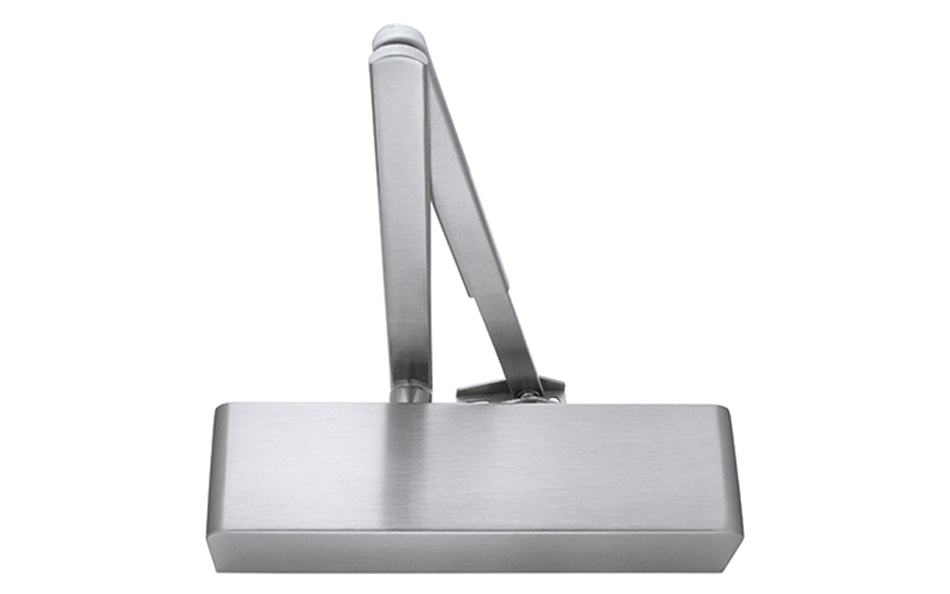
Manufactured to conform to BS EN 1154 performance standards, many ARRONE door closers are also tested to BS EN 1634-1 and assessed for use on 30-, 60-, and 120-minute timber fire doors. Third-party Certifire approval is available where applicable.
The Dual Role of Locks and Latches in Fire Safety
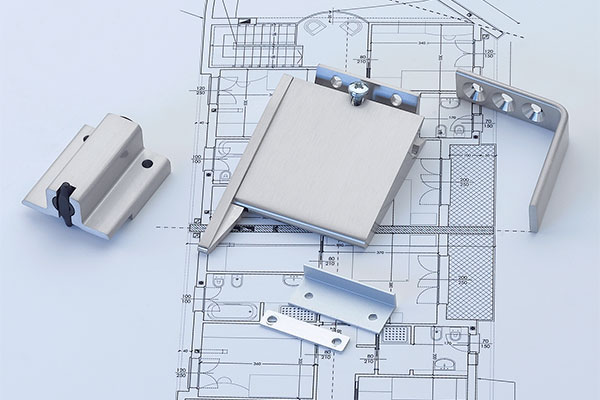
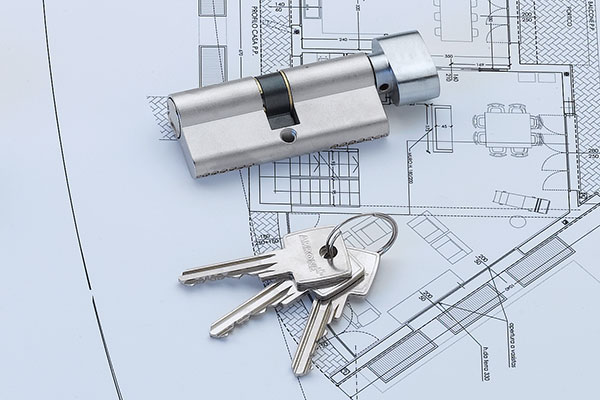
Locks and latches play an essential role in keeping fire doors securely closed, whilst also providing privacy and security.
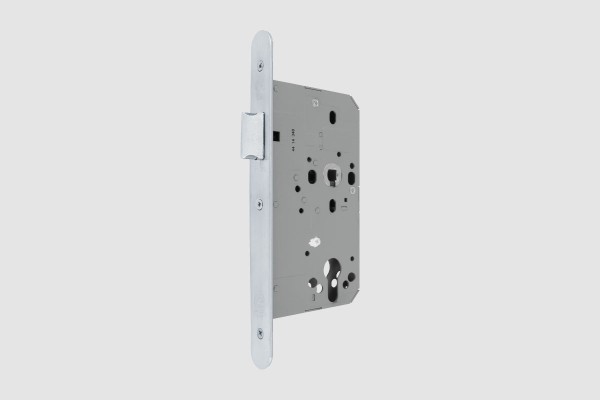
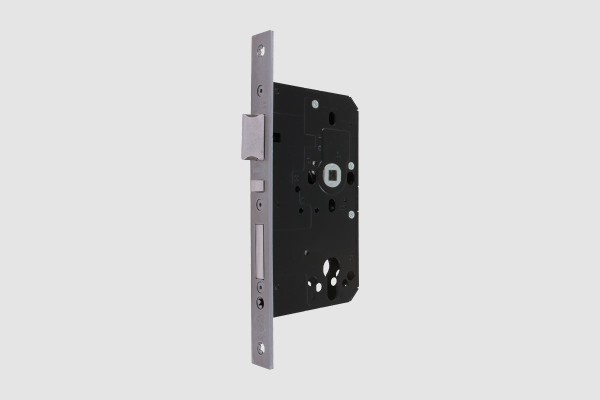
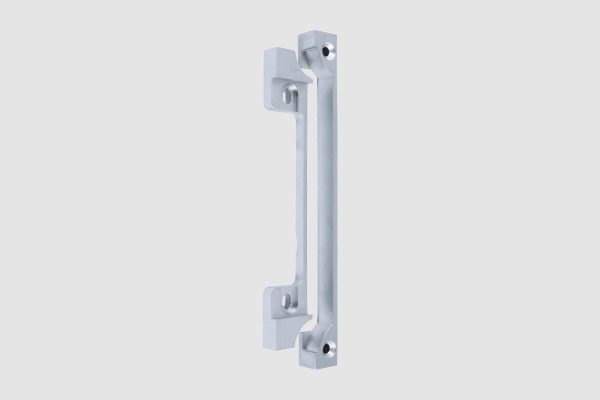
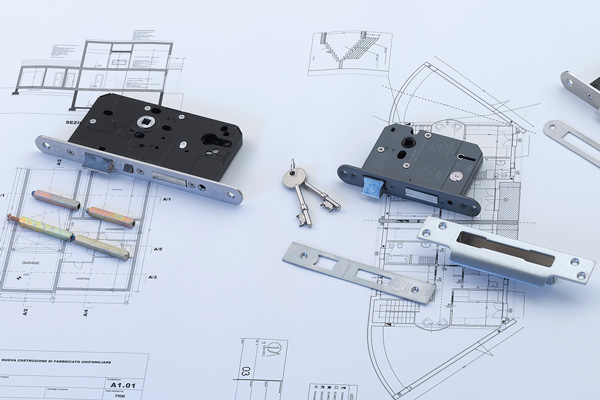
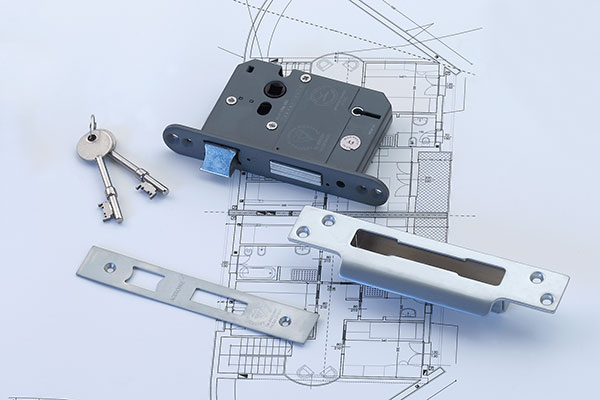
Imagine a fire breaking out in a storage room within a large public building such as a library, shop, or office complex. A fire door fitted with a certified mortice latch and lock, along with appropriate intumescent protection will stay firmly shut as the fire intensifies. The intumescent material expands, sealing gaps around the lockset to block smoke and flames. This containment allows valuable time for evacuation and helps limit damage to the rest of the building.
If the latch had been poorly fitted, worn, or uncertified, the door could fail to remain shut, allowing fire and smoke to spread rapidly.
How Escape Locks Balance Security with Emergency Egress
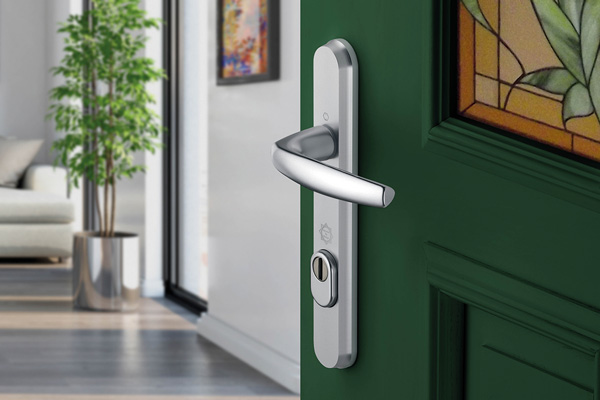
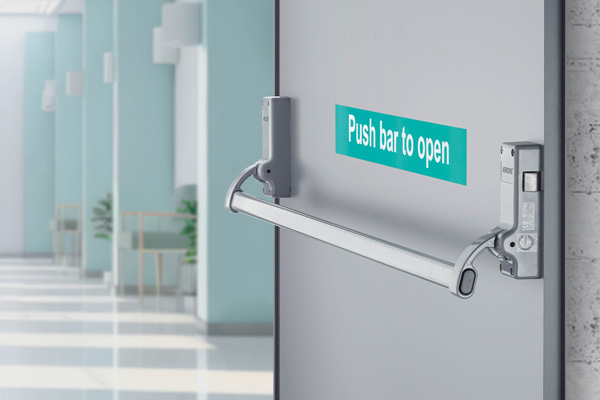
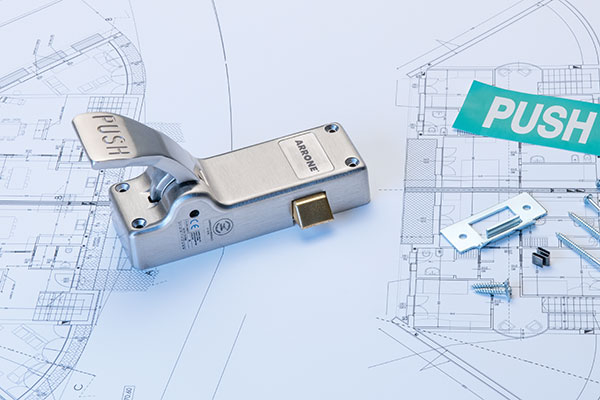
When a fire alarm sounds in a building such as an apartment or hotel, occupants begin evacuating. Entrance doors fitted with certified mortice escape locks allow immediate egress without a key. While the door remains locked externally for security, people inside can exit quickly via a lever handle.
All locks and latches used on fire doors in the UK must be UKCA/CE marked, with BS EN 12209 being the key standard for mechanically operated locks and latches. This ensures reliable performance under fire conditions, without compromising the door’s fire resistance.
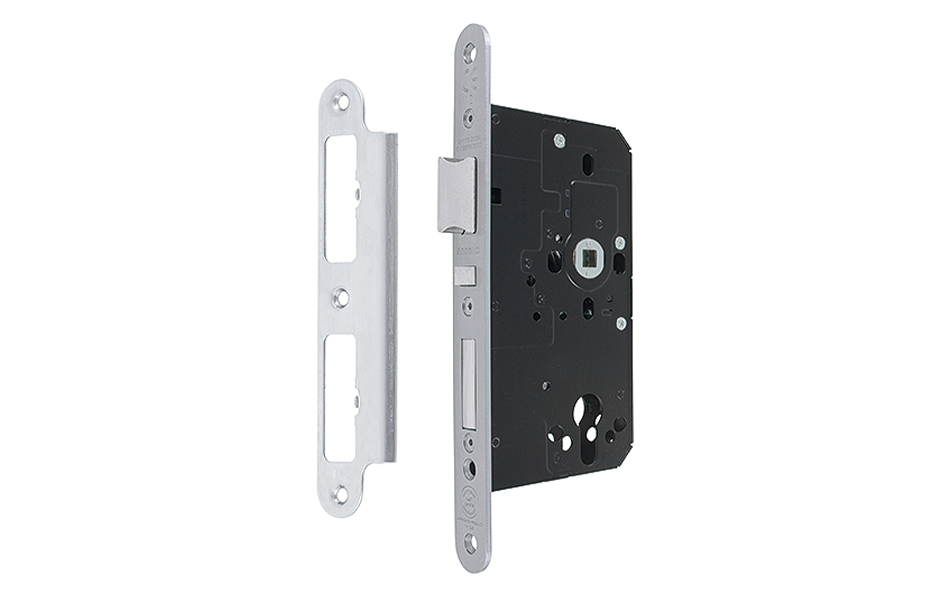
The ARRONE lock and latch ranges have been tested to BS EN 12209 requirements, UKCA/CE marked, and Certifire approved where applicable. Associated ARRONE intumescent kits are also available.
Intumescent kits are often required around the lock or latch. These expand under heat to seal gaps and maintain the fire barrier.
Final Considerations
Third-party certification, for example Certifire, confirms that the product has undergone rigorous fire performance testing in accordance with recognised industry standards, ensuring reliability, safety, and compliance with regulatory requirements.
Hardware installed on fire doors must fall within the scope of testing, assessment, or certification relevant to the specific door. Intumescent requirements for ironmongery must also be installed in accordance with the fire door’s test evidence.
If you are unsure about which hardware to use, please contact us at HOPPE (UK) or contact the door manufacturer directly.
Further Articles on the Topic
Blog HOPPE
-
Delivering Door Hardware for the Education Sector
Education settings can be the ultimate testing ground for door hardware. In these high-traffic environments, handles, locks, and closers must withstand many years of heavy use.
To the article -
Choosing the Right Handle for Slim Aluminium & Bi-Fold Doors
The demand for slim door profiles continues to rise, especially in modern aluminium and bi-fold door systems. This makes selecting a slim, well designed, narrow backplate door handle essential.
To the article -
How the ARRONE AR8990 Concealed Hinge Transforms Modern Interior Design
Door hardware plays a significant role in interior design. Although it is often viewed as functional - something that helps a door to open and close, it is the final touches that can make a room look complete.
To the article -

Why Choose Anodised Aluminium for Door Handles
This blog post explores anodised aluminium, a sometimes-overlooked material, including its durability, aesthetics and sustainability.
To the article -

Five Questions with HOPPE (UK) Product Engineer, Dan Savage
Dan Savage has worked as a Product Engineer for ARRONE for over seven years. His product design credentials span 25 years, having designed cordless vacuum cleaners, homeware, and washrooms.
To the article -
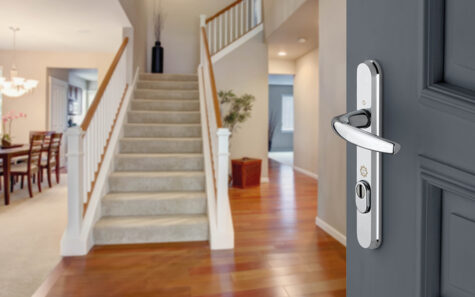
HOPPE Atlanta Security Handle: The Benchmark for Security, Quality, and Design
Launched in 2005, the Atlanta handle is one of HOPPE (UK’s) longest standing and best-selling products. Designed with a blend of security, style, and user comfort, it has become a trusted choice for installers and end-users alike.
To the article -

The Role of Certification in Door Hardware
Rob Adams, technical manager for ARRONE, is responsible for making sure all new and existing products have the right certifications. This includes having the right evidence for CE/UKCA marking in place.
To the article -
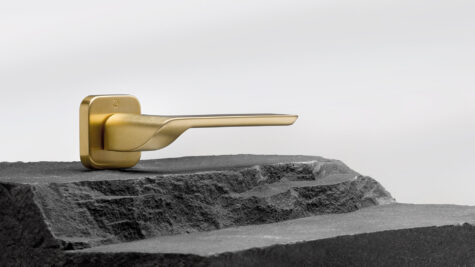
What a Gem On the Door!
Two new series enrich the HOPPE product range: Venezia and Firenze. Made from solid brass and partly hand-finished, they combine design, innovation and craftsmanship.
To the article -
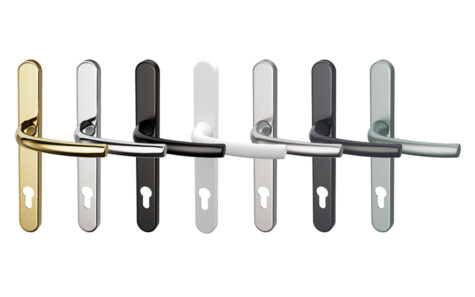
DEBAR BI-FOLD HARDWARE Teams Up With ARRONE To Let The Outdoors In
DEBAR BI-FOLD HARDWARE has become the first bi-fold door hardware systems manufacturer to offer the ARRONE AR7550 lever handle.
To the article -
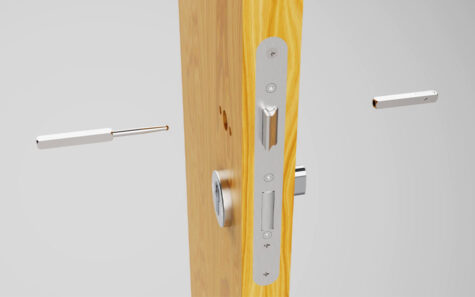
ARRONE Launches Innovative Split Spindle
The AR227 split spindle is designed to address challenges faced while installing escape locks.
To the article