


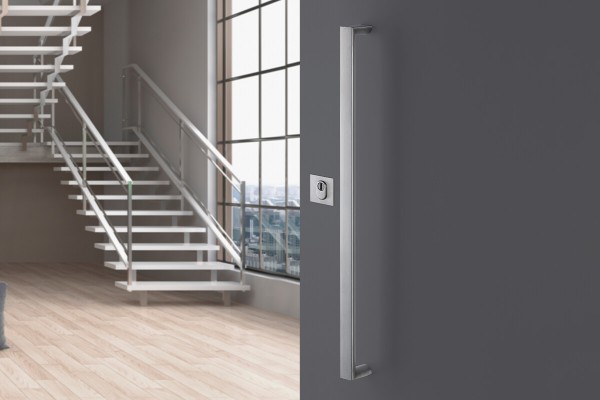

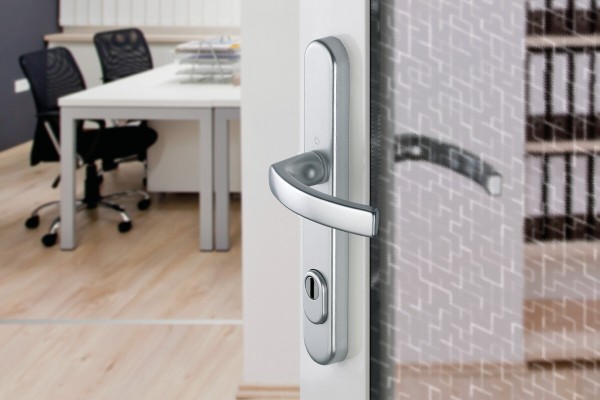

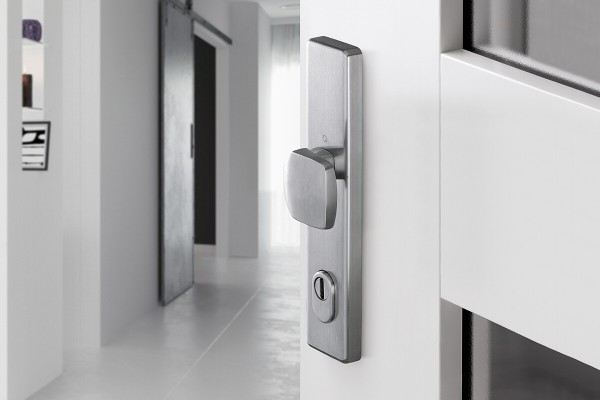


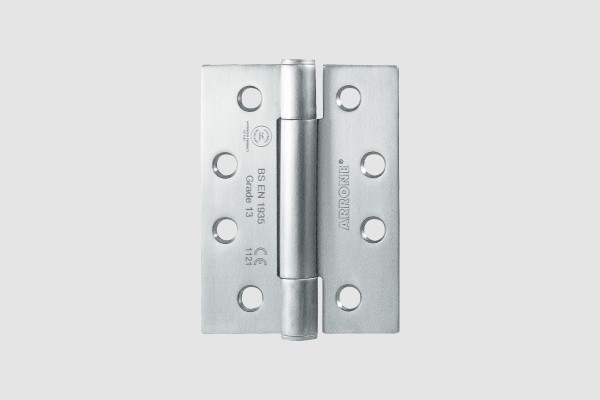
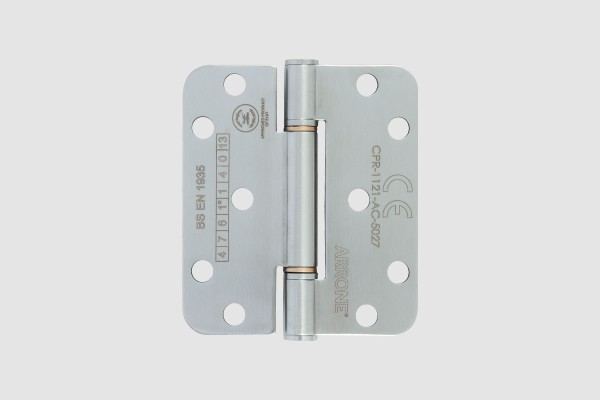
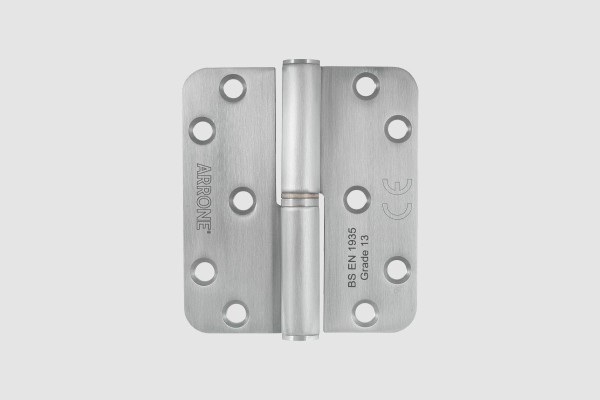






















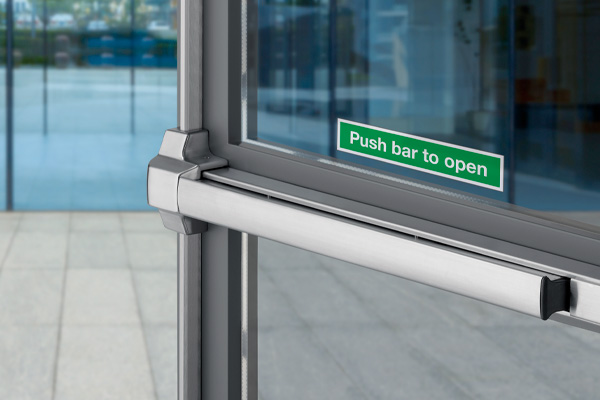

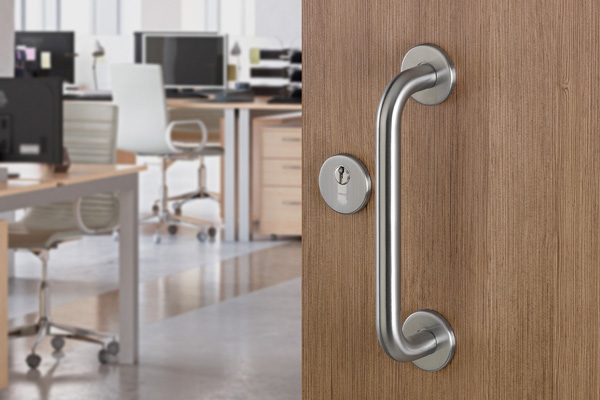
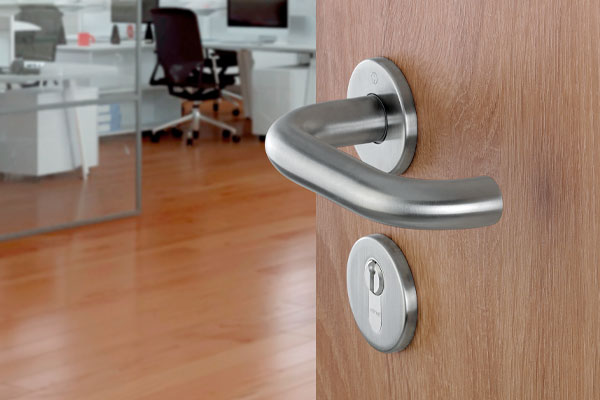
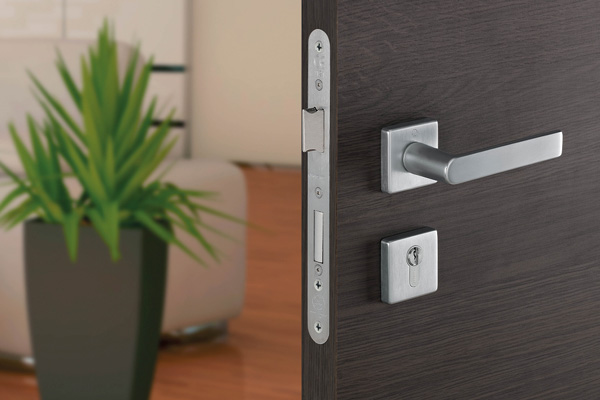
 makes them recognisable as such – and thus as the fulfilment of a promise of quality to everyone who uses our handles.

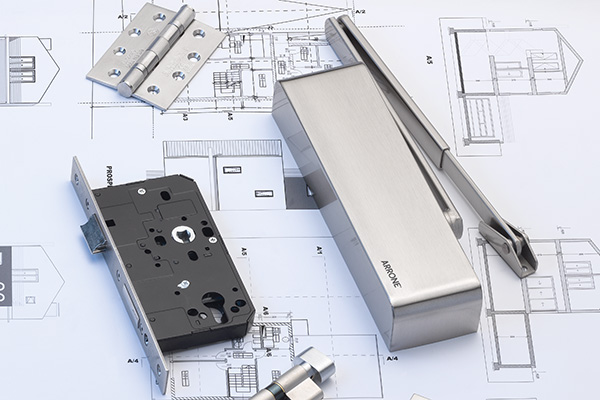
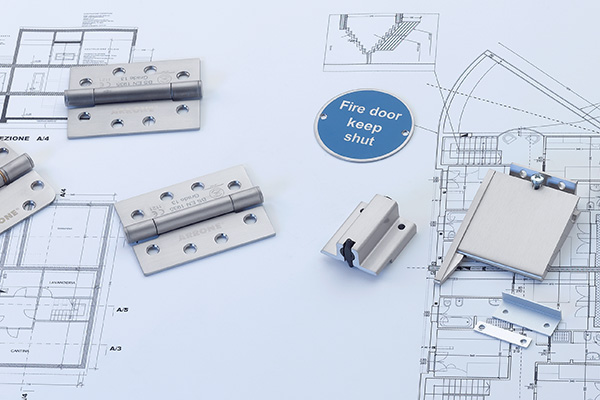




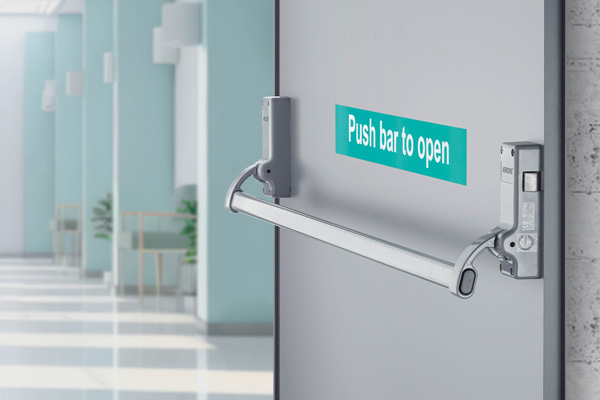




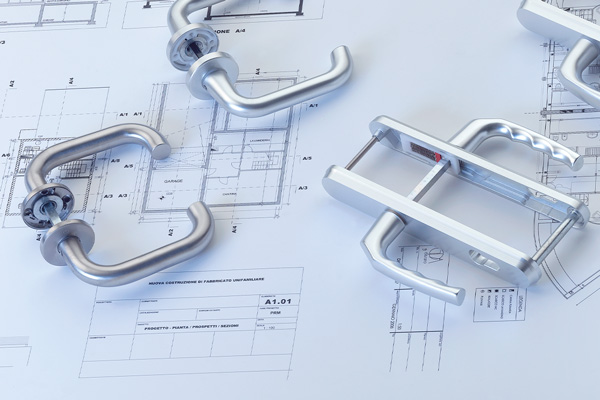


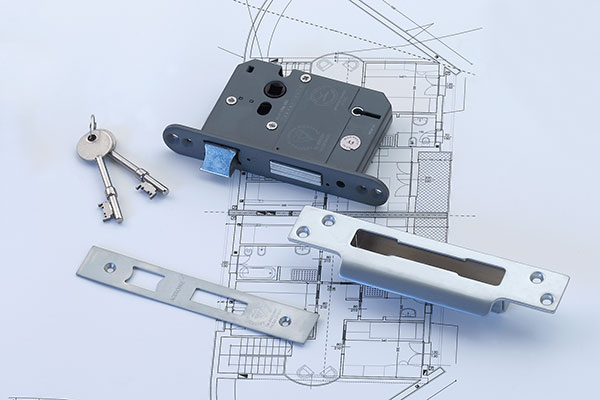
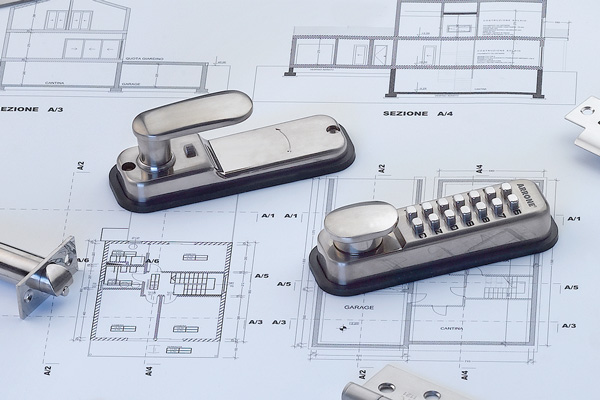


Rob Adams, technical manager for ARRONE, is responsible for making sure all new and existing products have the right certifications. This includes having the right evidence for CE/UKCA marking in place. Here, Rob provides more detail about the certification process.

What are the different certificates and what do they mean?
In Europe and the UK, until Brexit, CE marking was the standard conformity mark used for products.
A CE mark signifies that a product sold in the European Economic Area (EEA) has been assessed to meet relevant safety, health, and environmental protection requirements.
When the UK left the European Union, the government brought in rules requiring products previously CE marked to shift to a new United Kingdom Conformity Assessed (UKCA) mark. There had been a 30 June 2025 deadline set for construction products to be UKCA marked, but this has been extended indefinitely.
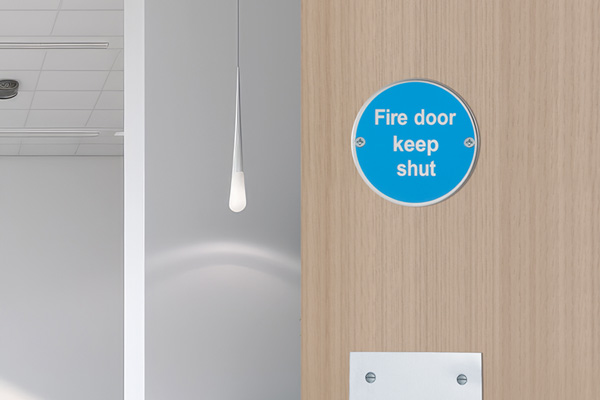
There are also fire safety testing certificates, for example, Certifire, which cover passive fire protection products, such as door hardware on fire doors. This includes other fire protection systems that work to contain fire, heat, and smoke, with the aim of limiting fire spread.
To allow for traceability, HOPPE keep track of all certificates to make sure they are up to date. For new products, HOPPE ensure we have the right test evidence to support any certification requirements before they go to market.
What is involved in certifying products?
The process for certifying an existing product depends on whether the certification is for the individual piece of hardware i.e. a lock, or a wider product, such as a doorset.
If the UKCA or CE certification is in a company’s name, there must be mechanical and fire evidence that applies to that product. If it is a company’s product and certification, the company is responsible for keeping track of changes and modifications of that product.
Evidence relating to tests must be collated into test reports. These are produced along with application forms filled out for the certification applied for. The document contains a reference to the product, as well as identification, test evidence, and test numbers.
The certification body charges a fee to complete certification of the product and will ask for any further evidence needed. Once passed, this certificate is valid for three years.
To certify a new product, the process is much the same, but more time will be required to complete testing at the outset to get the right test evidence in place.
Why might a door manufacturer carry out new testing and certification if an individual product has already been tested and certified?
A door manufacturer will always need to test a product, such as a lock, as part of a doorset to understand how it performs as a complete unit in the case of a fire.
Testing a product as part of a doorset will always overrule individual product evidence, for example, the testing of a door closer on its own.
Door manufacturers can use our test evidence, but many will undertake their own, which offers more flexibility. This is because the application will state the elements of the door, and the products included.
How does the withdrawal of the national fire testing standards in England this year change certification?
Approved Document B of the building regulations on fire safety had been using both European (EN) and British (BS) standards for fire resistance. The British Standard BS 476:22 had been running concurrently with EN 1634-1.
However, as of 2 March 2025, BS 476 no longer applies. The BS EN 13501 series is now the sole standard on fire classification of construction products and building elements and EN1634-1 for fire testing for doors and windows.
Having one standard to reference makes the testing system more straightforward.
As our test evidence has been carried out to the more onerous European standard, HOPPE (UK) was well prepared for this legislative change.
Further Articles on the Topic
Blog HOPPE
-
Choosing the Right Handle for Slim Aluminium & Bi-Fold Doors
The demand for slim door profiles continues to rise, especially in modern aluminium and bi-fold door systems. This makes selecting a slim, well designed, narrow backplate door handle essential.
To the article -

How the ARRONE AR8990 Concealed Hinge Transforms Modern Interior Design
Door hardware plays a significant role in interior design. Although it is often viewed as functional - something that helps a door to open and close, it is the final touches that can make a room look complete.
To the article -

Why Choose Anodised Aluminium for Door Handles
This blog post explores anodised aluminium, a sometimes-overlooked material, including its durability, aesthetics and sustainability.
To the article -

Five Questions with HOPPE (UK) Product Engineer, Dan Savage
Dan Savage has worked as a Product Engineer for ARRONE for over seven years. His product design credentials span 25 years, having designed cordless vacuum cleaners, homeware, and washrooms.
To the article -
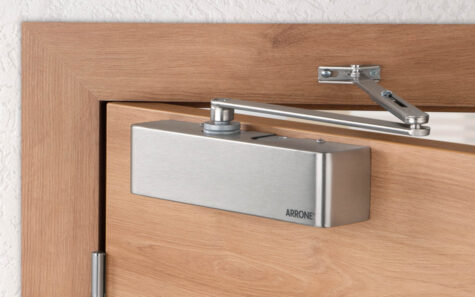
Door Hardware that Saves Lives
Fire doors are critical to building safety; they compartmentalise areas within a building to contain fires and protect lives. The way they perform not only depends on how they’re installed, but also on the door hardware used.
To the article -

HOPPE Atlanta Security Handle: The Benchmark for Security, Quality, and Design
Launched in 2005, the Atlanta handle is one of HOPPE (UK’s) longest standing and best-selling products. Designed with a blend of security, style, and user comfort, it has become a trusted choice for installers and end-users alike.
To the article -
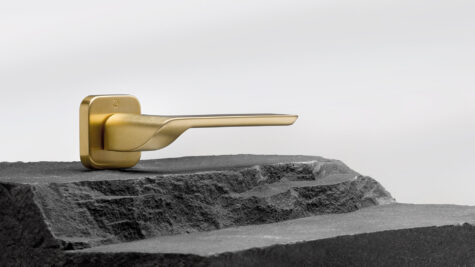
What a Gem On the Door!
Two new series enrich the HOPPE product range: Venezia and Firenze. Made from solid brass and partly hand-finished, they combine design, innovation and craftsmanship.
To the article -
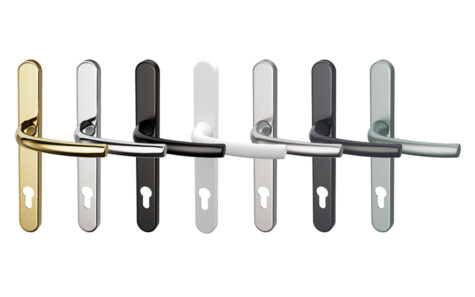
DEBAR BI-FOLD HARDWARE Teams Up With ARRONE To Let The Outdoors In
DEBAR BI-FOLD HARDWARE has become the first bi-fold door hardware systems manufacturer to offer the ARRONE AR7550 lever handle.
To the article -
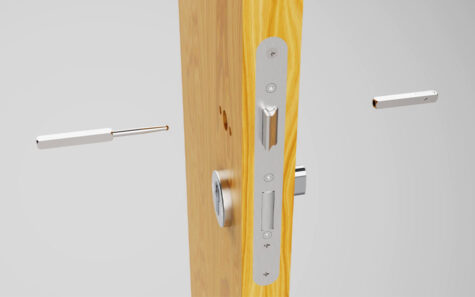
ARRONE Launches Innovative Split Spindle
The AR227 split spindle is designed to address challenges faced while installing escape locks.
To the article -
A Guide to Ironmongery for Steel Doors
A steel door can provide enhanced safety and security for buildings and their occupants. Our guide will help you choose the right hardware.
To the article