
























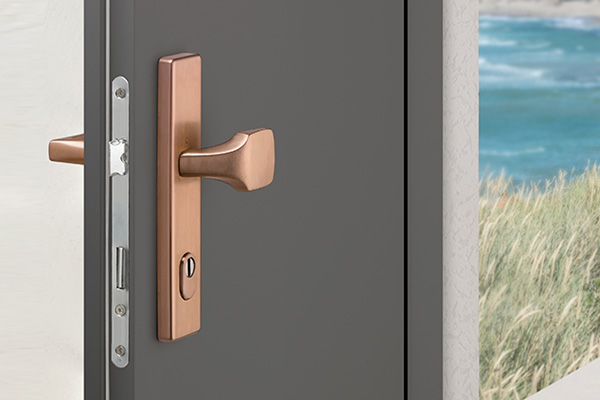
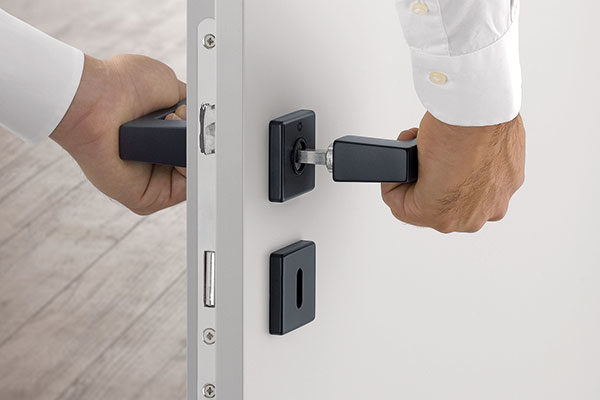
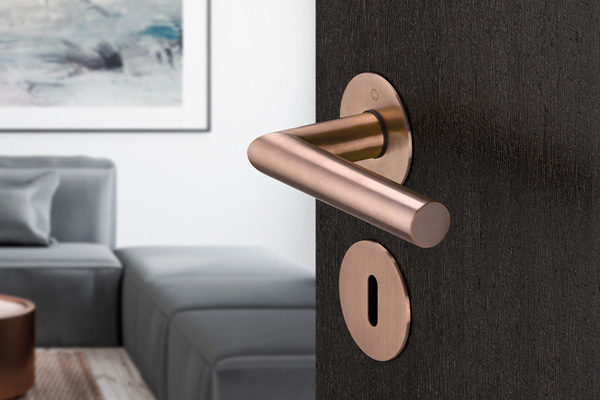
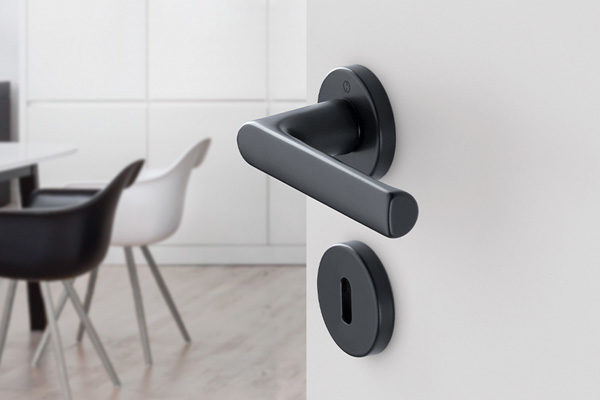

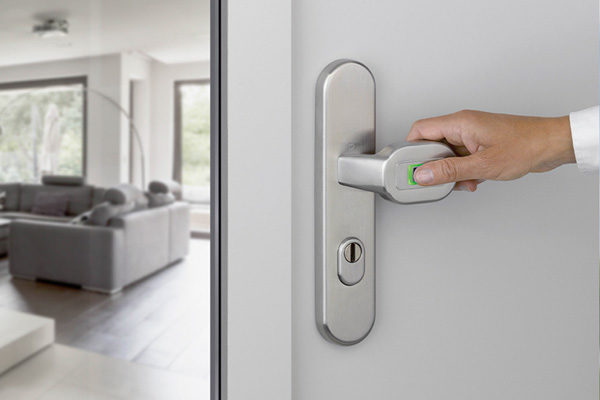
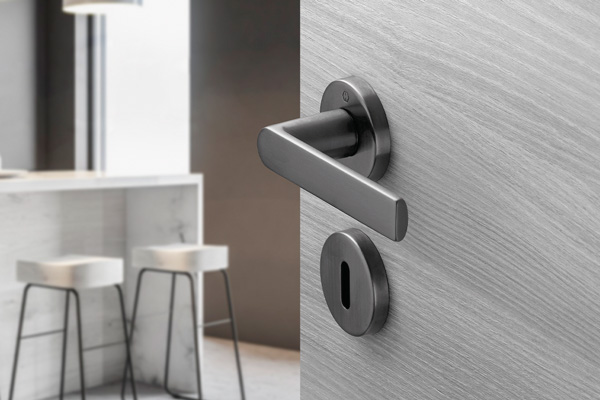

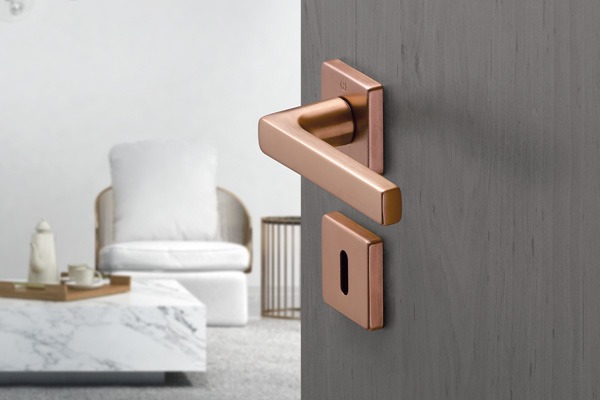
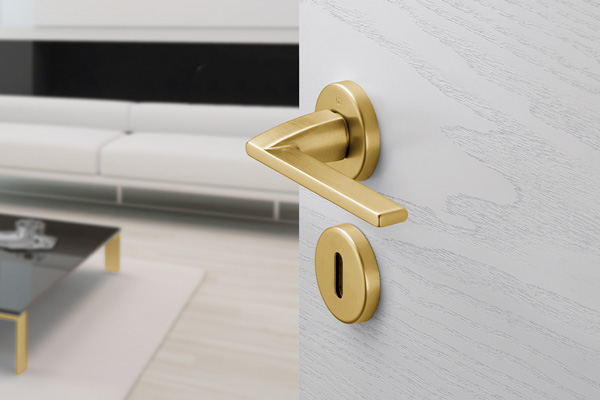
 makes them recognisable as such – and thus as the fulfilment of a promise of quality to everyone who uses our handles.








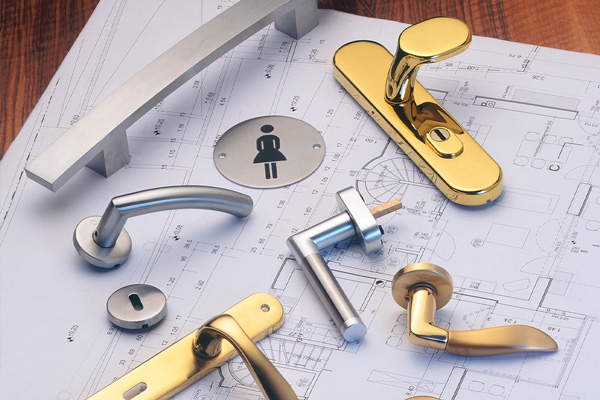
Specifiers and building managers have a moral duty to ensure building users feel comfortable and safe as well as to make sure a building is easy to navigate throughout.
Signage plays an important part in this, but there are multiple considerations to ensure it is accurate and compliant with regulations.
Signage for Fire Doors
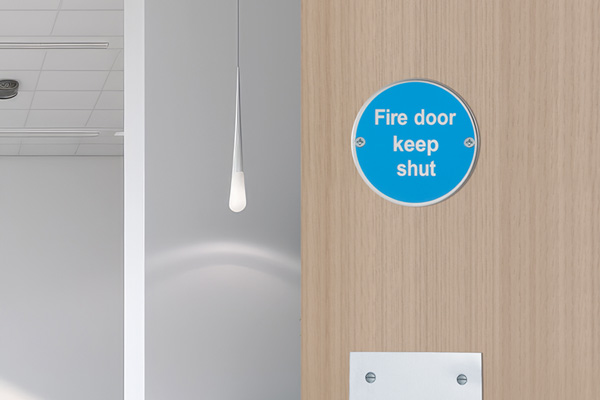
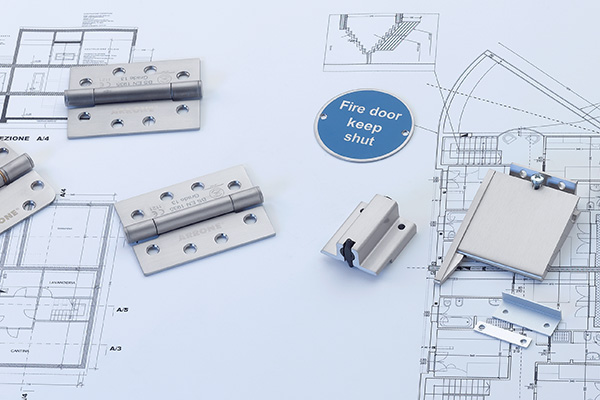
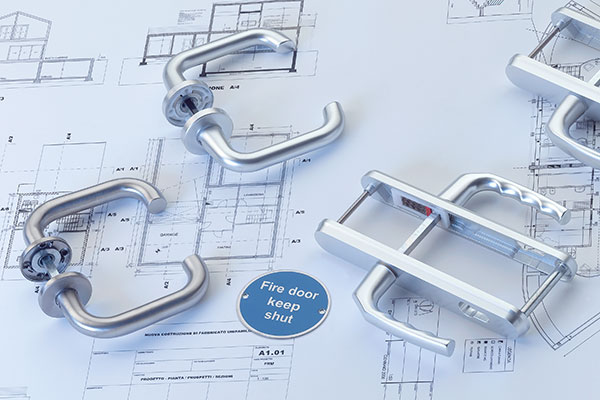
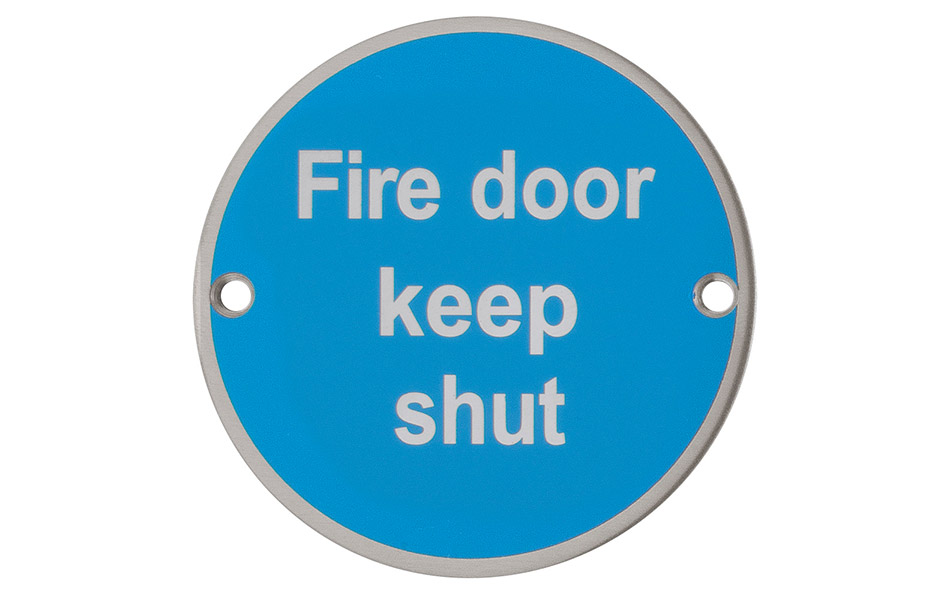
Although signage on fire doors is not critical to the door’s performance, the correct signage on such doors is needed for safety and legal purposes. These signs are classed as mandatory signage and are a blue circular shape.
There are 3 types of fire doors - doors that are self-closing, doors that are locked shut, and doors that are held open but automatically shut on the sound of a fire alarm. A fire door by law must have the correct signage.
Fire Door Keep Shut
For self-closing doors used for passage. A self-closing door can often be seen in public buildings, offices, meeting rooms, and classrooms. Where there is a requirement for a passage of people but also where there may be a need for privacy. In this case, a ‘fire door keep shut’ sign must be fitted to both sides of the door.
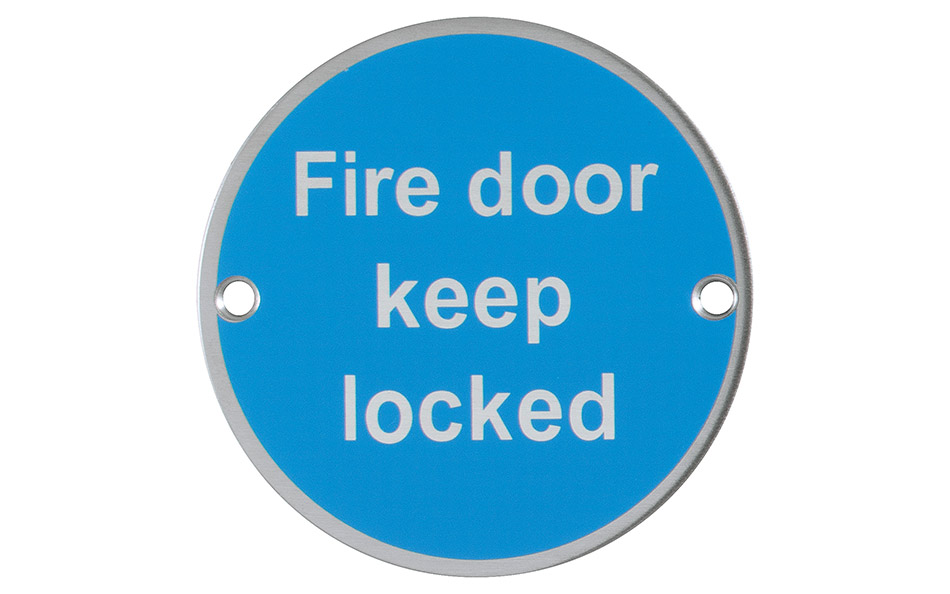
Fire Door Keep Locked
For doors that are locked and only used occasionally. Doors that are in occasional use with no closer fitted such as cleaning cupboards or a plant room and are locked shut should display the appropriate signage for example ‘fire door keep locked’.
Automatic Fire Door Keep Clear
For doors that are held open but become self-closing when a fire alarm is activated. Automatic fire doors are used in areas that should remain free-flowing and free from obstruction. They are doors that are held open or swing-free and give open access to the elderly or people with physical disabilities. An Automatic ‘fire door keep clear’ sign must be displayed on these types of fire doors.
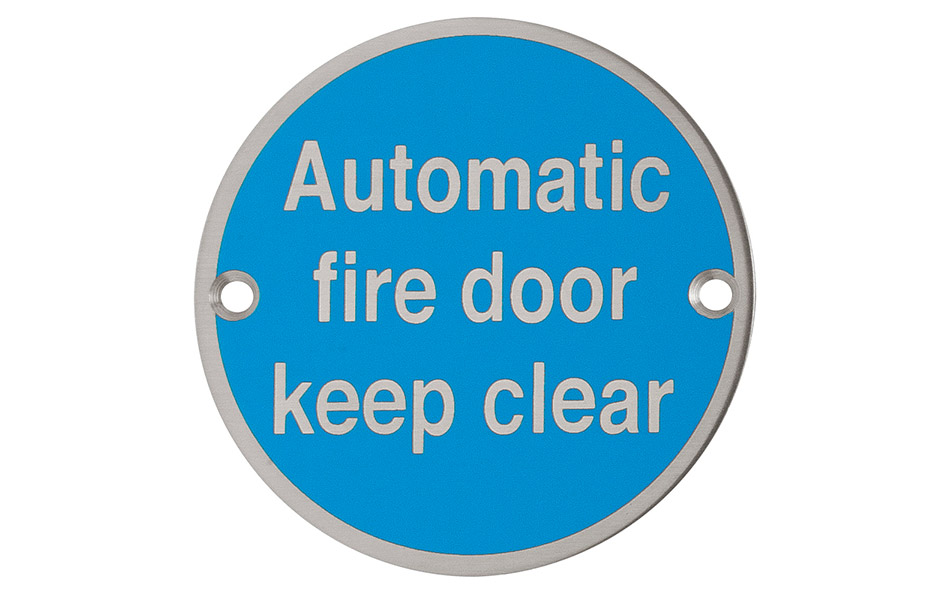
The fixing height for mandatory signage is recommended at 1.5m ‘eye level’ and each door must display the sign on both sides unless there is no approach from the other side.
Toilet Signage
As per Article 11 of the International Covenant on Economic, Social, and Cultural Rights (ICESR), everyone has the right to an adequate standard of living. Sanitation is included within this as a basic human right.
Building Regulations 2010 also state that in non-domestic buildings, there must be a reasonable provision of toilets under T1 of Approved Document T.
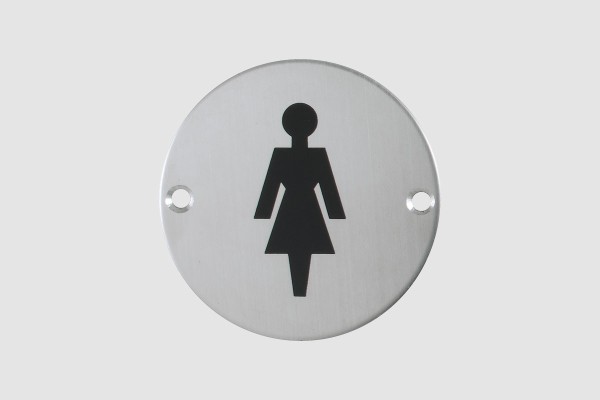
Both doors for toilet cubicles and doors to universal toilet rooms should use an internationally standardised signage symbol like PI PF 003 from BS ISO 7001:2023, or a unisex toilet symbol from BS 8501. This requires the image to indicate the location of the toilet, and to be a frontal view of standing male and female human figures.
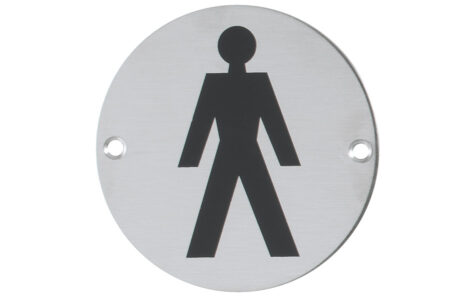
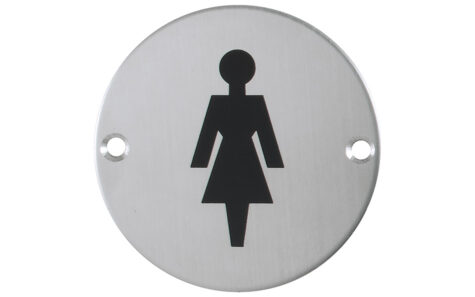
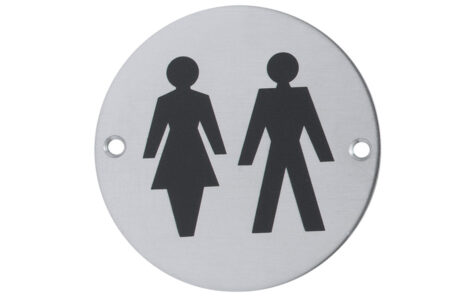
Symbols should leave no ambiguity, be clear to users, and keep individuals’ privacy secure at the same time.
Accessibility and Inclusivity
It is important to make sure everyone feels safe and comfortable. To demonstrate compliance with Approved Document M on access to and use of buildings under building regulations, as well as BS 8300 on designing accessible and inclusive environments, a disabled toilet sign should be installed on toilet doors that provide access to accessible toilets.
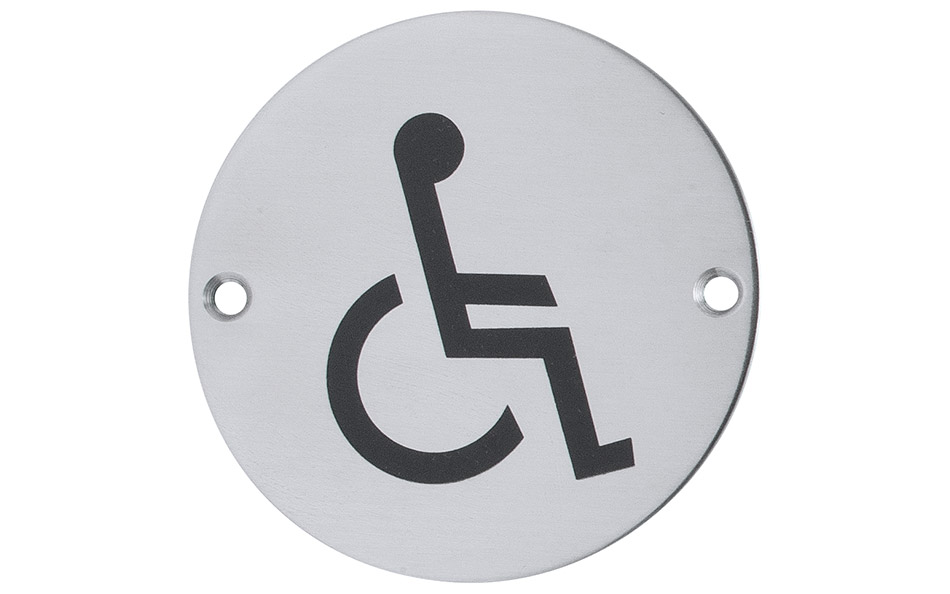
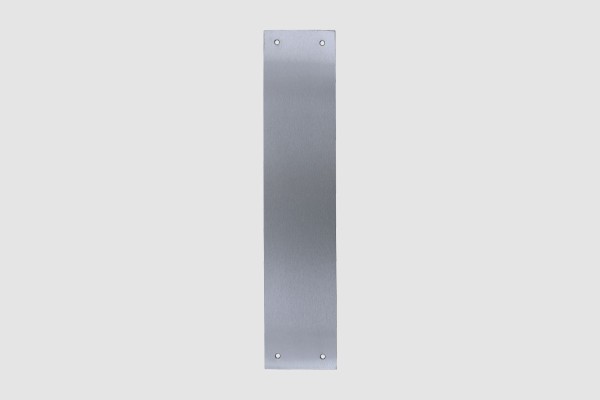
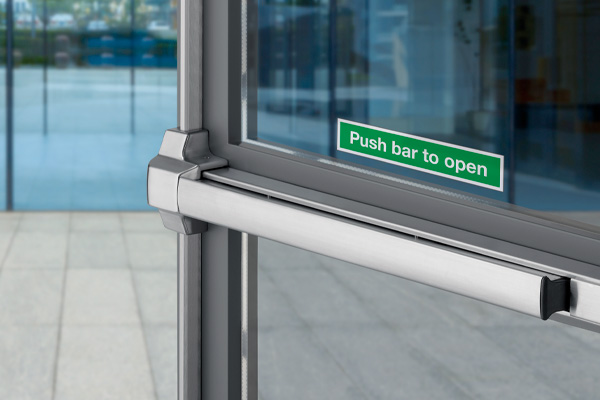
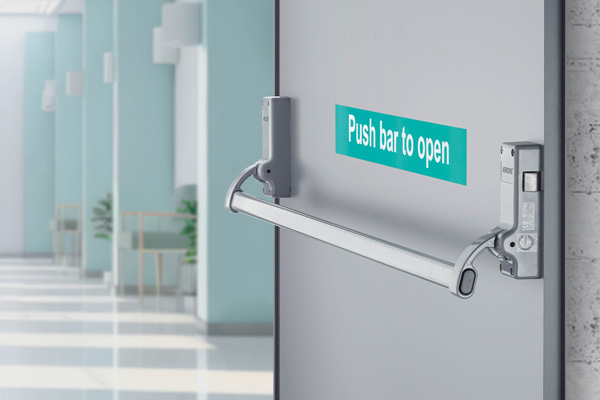
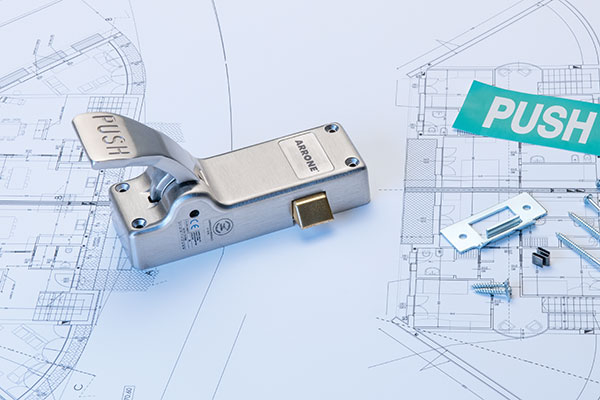
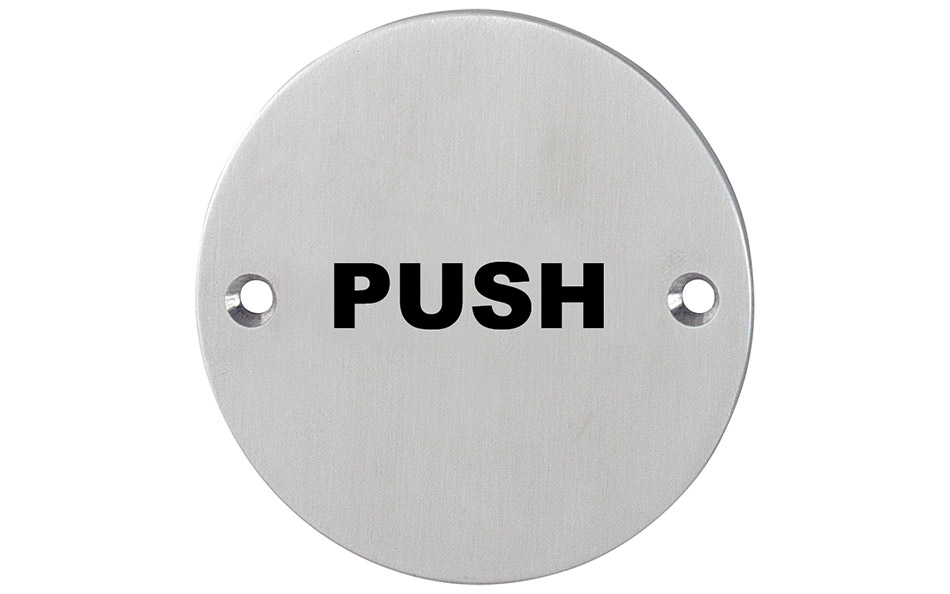
Alongside this, installing a ‘push’ sign on doors that open outwards, helps with ease of navigation.
Browse the complementary signage available from ARRONE (a HOPPE brand) via: www.hoppe.com/gb-en/catalogue/1001199206/complementary-products-signage
Further Articles on the Topic
Products HOPPE
-
Choosing the Right Handle for Slim Aluminium & Bi-Fold Doors
The demand for slim door profiles continues to rise, especially in modern aluminium and bi-fold door systems. This makes selecting a slim, well designed, narrow backplate door handle essential.
To the article -
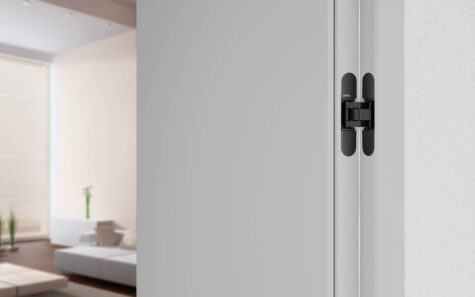
How the ARRONE AR8990 Concealed Hinge Transforms Modern Interior Design
Door hardware plays a significant role in interior design. Although it is often viewed as functional - something that helps a door to open and close, it is the final touches that can make a room look complete.
To the article -

Why Choose Anodised Aluminium for Door Handles
This blog post explores anodised aluminium, a sometimes-overlooked material, including its durability, aesthetics and sustainability.
To the article -
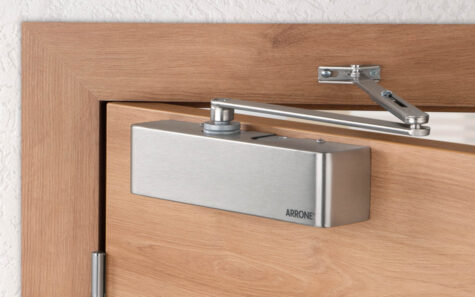
Door Hardware that Saves Lives
Fire doors are critical to building safety; they compartmentalise areas within a building to contain fires and protect lives. The way they perform not only depends on how they’re installed, but also on the door hardware used.
To the article -
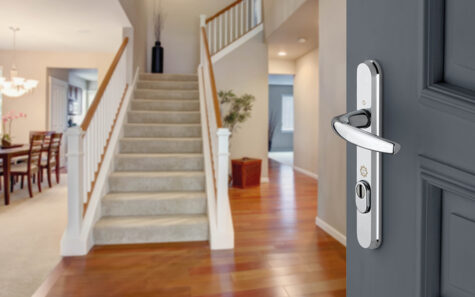
HOPPE Atlanta Security Handle: The Benchmark for Security, Quality, and Design
Launched in 2005, the Atlanta handle is one of HOPPE (UK’s) longest standing and best-selling products. Designed with a blend of security, style, and user comfort, it has become a trusted choice for installers and end-users alike.
To the article -

The Role of Certification in Door Hardware
Rob Adams, technical manager for ARRONE, is responsible for making sure all new and existing products have the right certifications. This includes having the right evidence for CE/UKCA marking in place.
To the article -
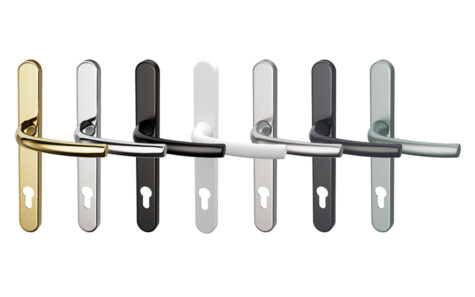
DEBAR BI-FOLD HARDWARE Teams Up With ARRONE To Let The Outdoors In
DEBAR BI-FOLD HARDWARE has become the first bi-fold door hardware systems manufacturer to offer the ARRONE AR7550 lever handle.
To the article -
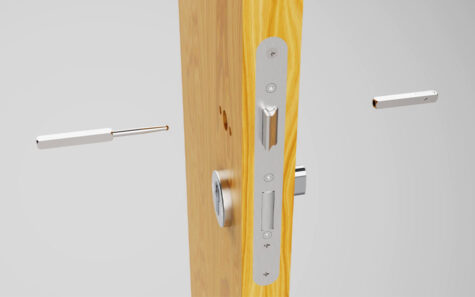
ARRONE Launches Innovative Split Spindle
The AR227 split spindle is designed to address challenges faced while installing escape locks.
To the article -
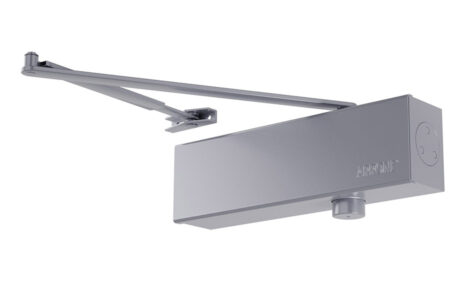
A Guide to Ironmongery for Steel Doors
A steel door can provide enhanced safety and security for buildings and their occupants. Our guide will help you choose the right hardware.
To the article -
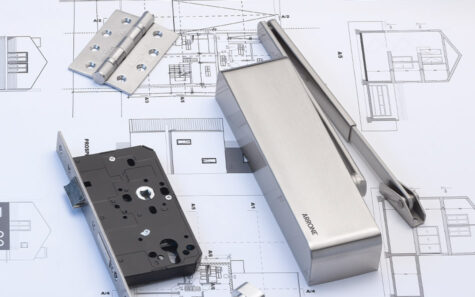
How to Avoid Common Fire Door Hardware Specification Mistakes
At the design stage, an architect or building designer is responsible for ensuring the correct door hardware products have been specified on all fire doors. As a contractor or installer, it is essential to fully understand the specification process for fire door hardware critical products and how to install the products correctly to help protect lives.
To the article