

























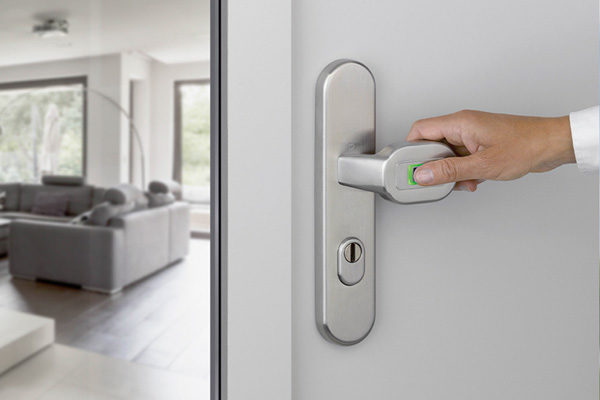
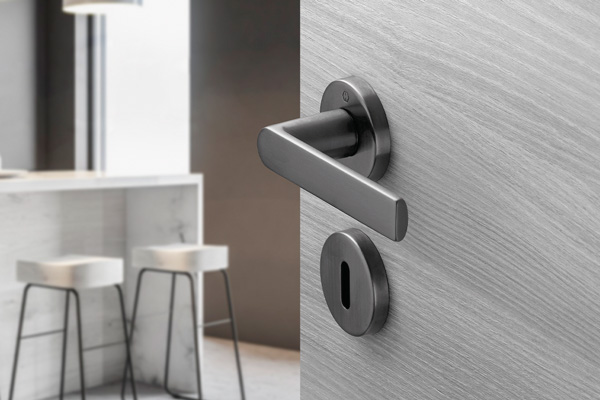

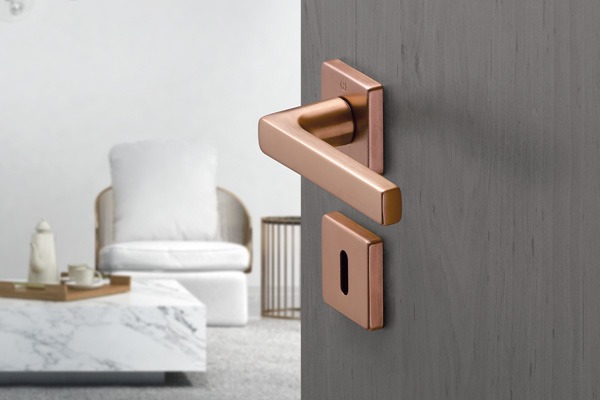
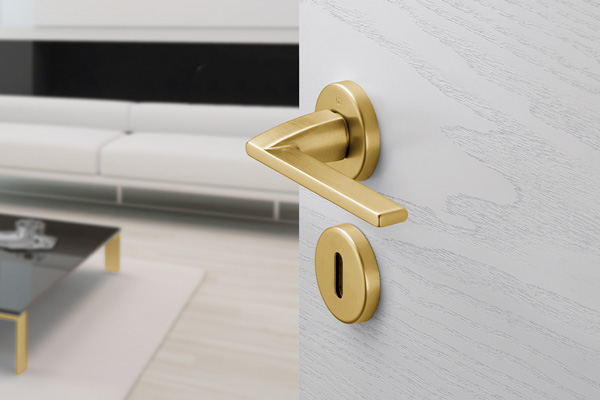
 makes them recognisable as such – and thus as the fulfilment of a promise of quality to everyone who uses our handles.










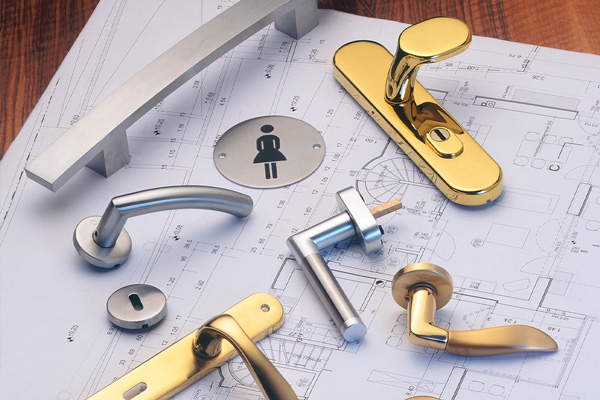
Architects, building designers, and contractors all play an important role when it comes to fire door safety.
At the design stage, an architect or building designer is responsible for ensuring the correct door hardware products have been specified on all fire doors. As a contractor or installer, it is essential to fully understand the specification process for fire door hardware critical products and how to install the products correctly to help protect lives.
Install the correct hardware for your fire door
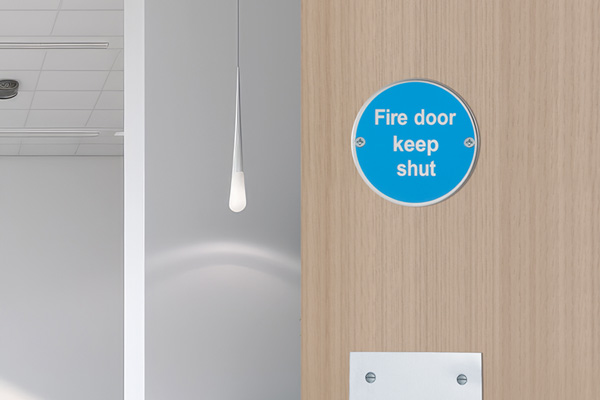
Fire doors are designed to compartmentalise a building to help protect it and to save lives in the event of a fire. To do this a fire door must be installed correctly so that it fully closes into its frame, helping to restrict the spread of fire and toxic smoke for a set period of time. A correctly installed fire door gives building occupants time to evacuate safely.
It is essential that the chosen hardware has been tested by the door manufacturer on the specific type of fire door that it is being installed on, as incorrect specification will impact its performance. The door manufacturer’s test evidence will advise on the hardware that has been tested with, and is therefore applicable to the fire door being specified.
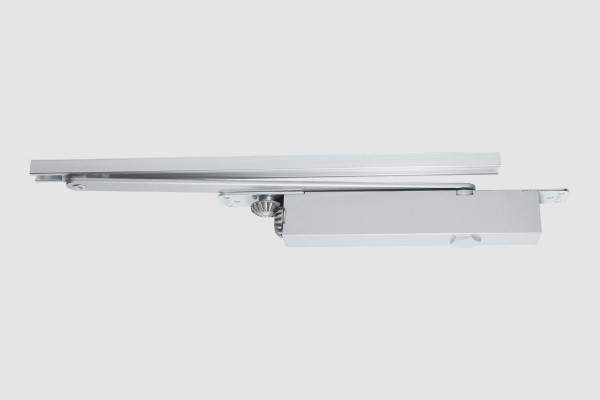
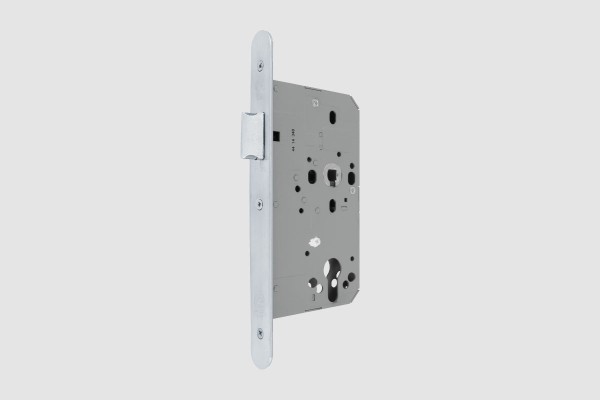
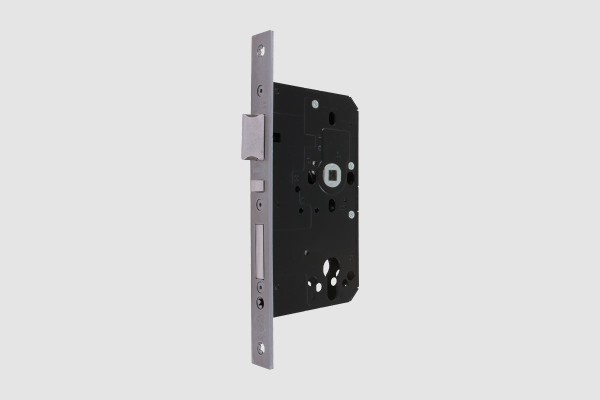
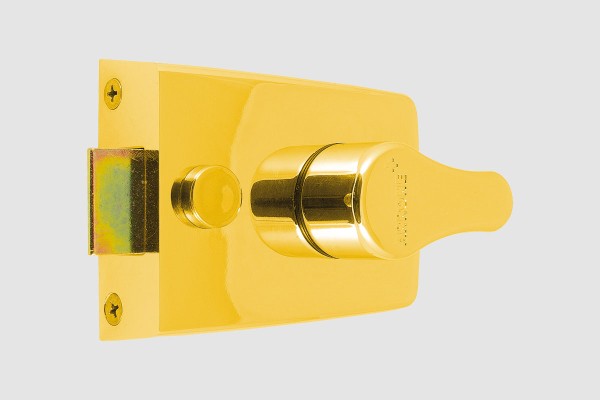
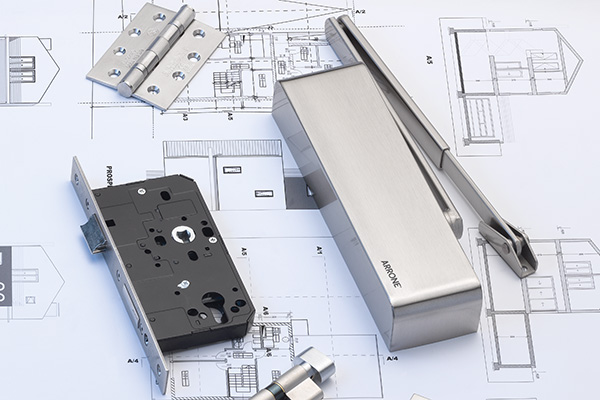
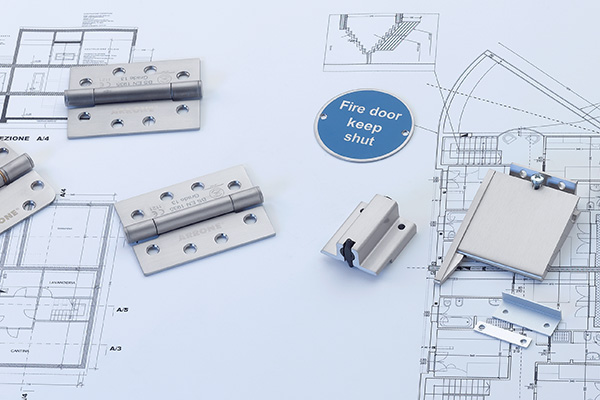
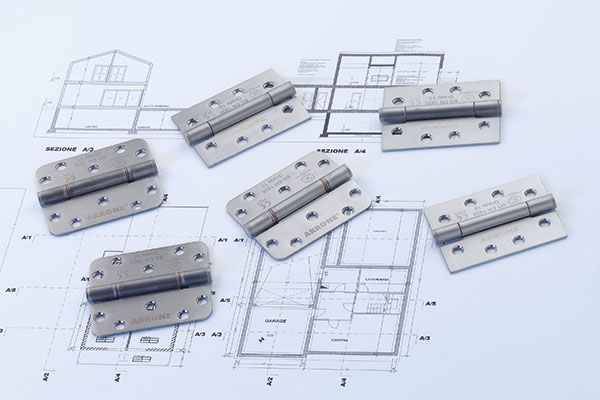
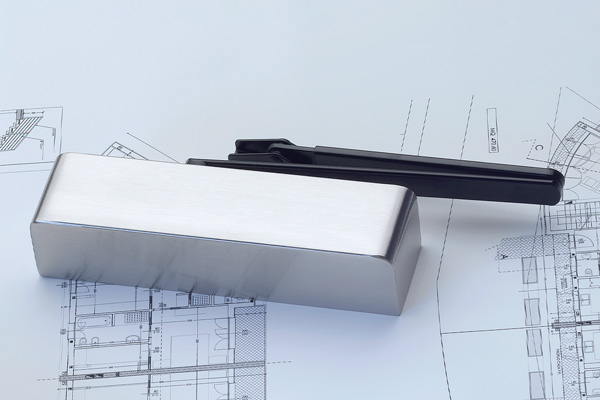
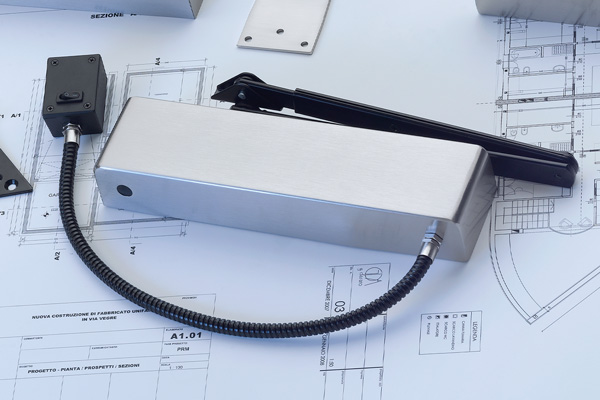
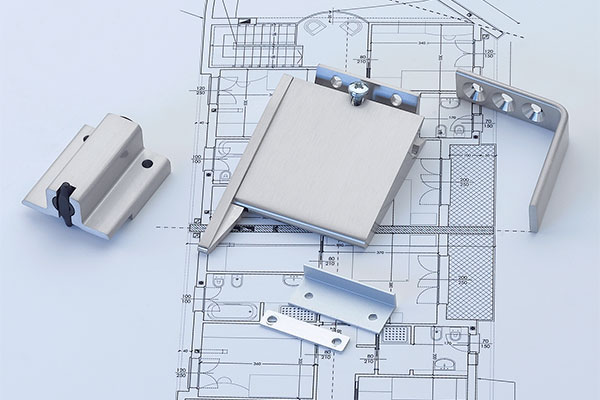
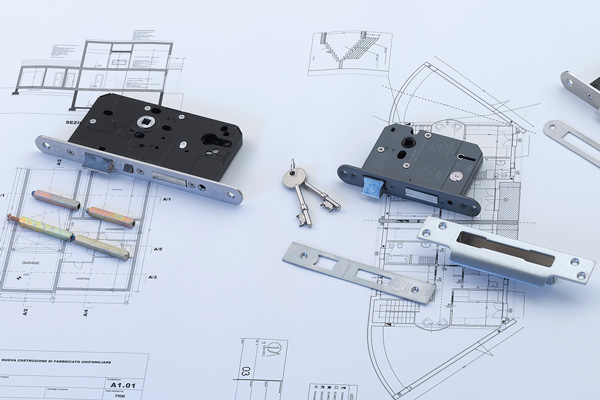
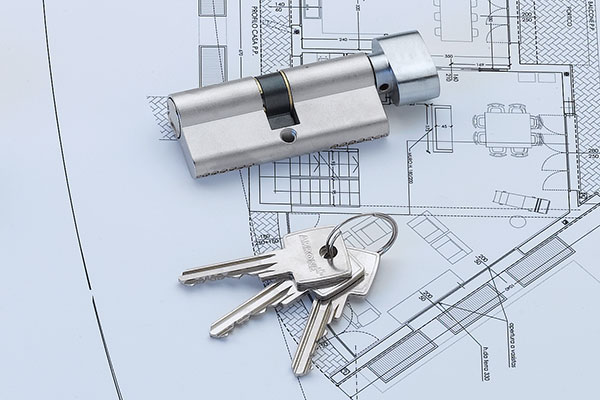
There are three types of “operational” hardware that are critically important for fire doors to perform: hinges, door closing devices, and locks and latches.
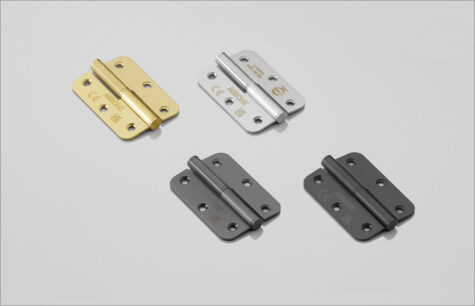
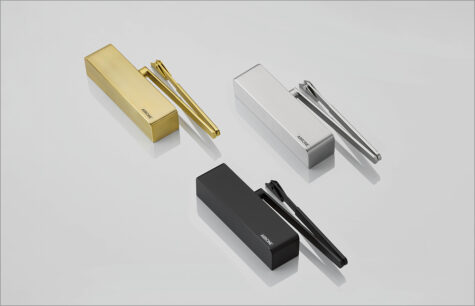
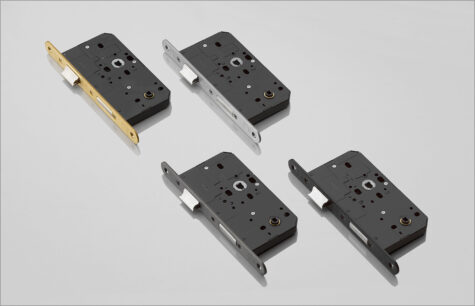
In the event of a fire, these products combine to close and secure the door in its frame for a period of time to allow intumescent protection contained within the door, frame and around the hardware to expand and fill gaps around the door. Therefore, it is critical the hardware is fitted in accordance with the manufacturer’s fitting instructions. Incorrect fitting of these products will affect the integrity and ultimately the performance of the fire door.

By loading the video, you accept YouTube's privacy policy.
Learn more
Check if panic or emergency exit hardware is required
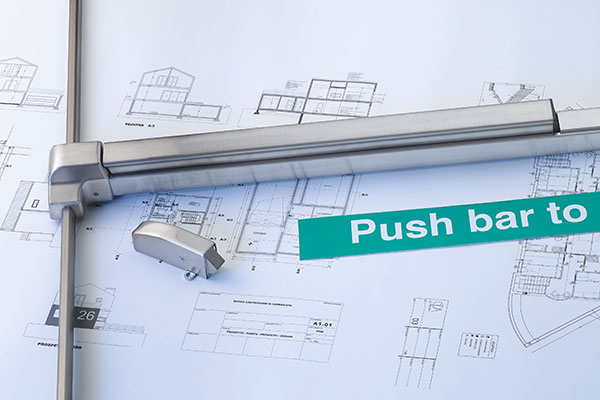
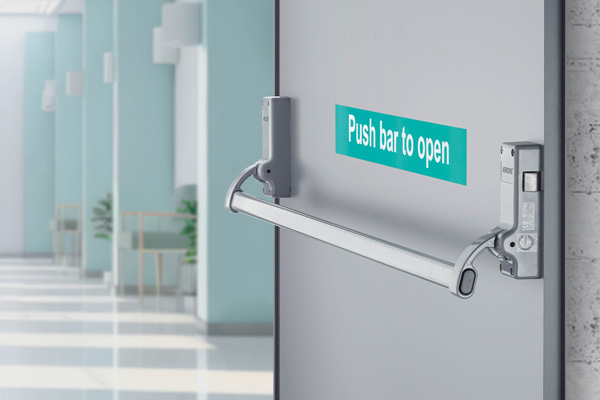
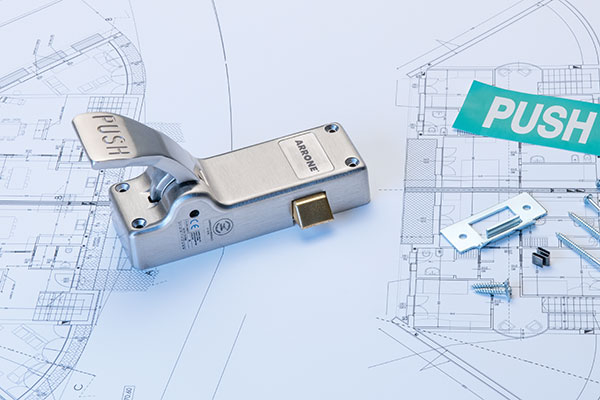
You may also need panic and emergency exit hardware depending on where the door is located. If the fire door is on an escape route, you will also need to fit panic or emergency exit hardware – the type of hardware fitted will be dependent on the building’s type, application, its occupation levels, and where it is in the building.
Emergency exit hardware
Emergency exit hardware is mainly used in buildings where users are familiar with exit routes, such as private premises including offices and warehouses, and are not accessible to the public. Devices for these doors could be a simple push pad type device or a lever handle operating a mortice escape lock or nightlatch.
Panic exit hardware
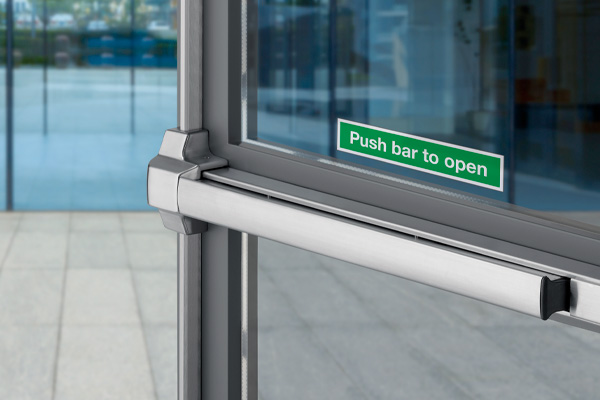
Panic hardware is used in buildings where members of the public have access to the building but may not be familiar with the exit routes, for example, hotels, hospitals, stadiums, and cinemas. This also applies to any room that has more than 60 people in it.
Any doors in areas that are accessible to the public must have a device fitted that is operable by a horizontal bar that covers at least 60% of the overall door width. As well as being easier to see and use from an accessibility point of view, it also adds another layer of safety functionality in the event of an emergency.
View the panic and emergency hardware range in the product catalogue
Consider the accessibility requirements of building users
As well as meeting fire regulations, also consider the functionality of the door set and fitted hardware. Many fire doors are very heavy, and this can cause accessibility difficulties for some building users.
Safety is paramount, so when it comes to replacing any component of the door set or hardware, the products must first have been tested as a combination by the door manufacturer and are equal or better than the fire/mechanical performance of the door. Replace ‘like with like’ by using the same hardware brand or crosscheck the tested elements and certified products for the door set.
Always consult with the original door manufacturer if in any doubt or contact one of HOPPE (UK)’s Guild of Architectural Ironmongers (GAI) qualified experts for advice.
Check that all products have been fire tested
Life safety products (hinges, door closing devices, locks, and panic and emergency exit hardware need to be CE/UKCA marked as a mandatory measure on fire and escape doors. Any product that is CE/UKCA marked must also by law have a Declaration of Performance (DoP) in accordance with the Construction Products Regulation 2011.
A CE / UKCA mark may not always be visible, but it must be on the product, instructions, and on packaging somewhere. It can usually be located as follows:
- Lock: on the front of the faceplate
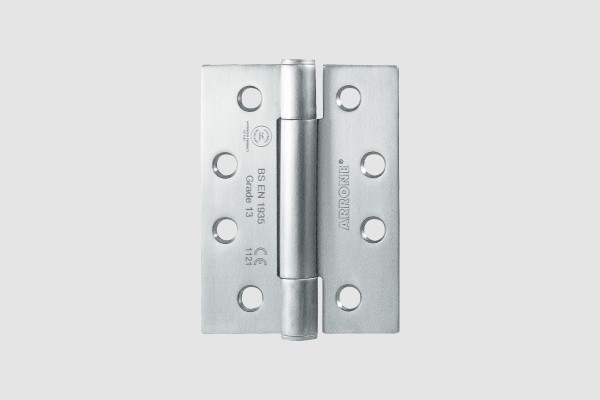
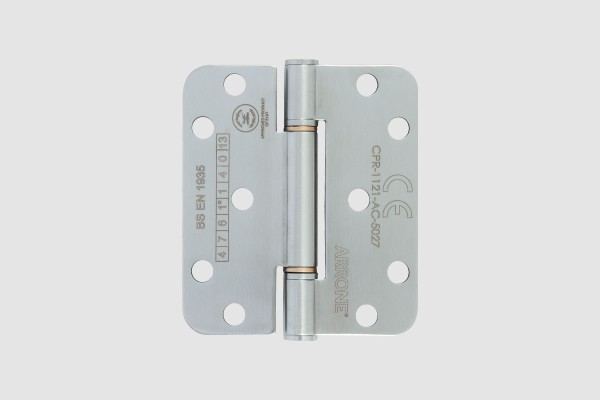
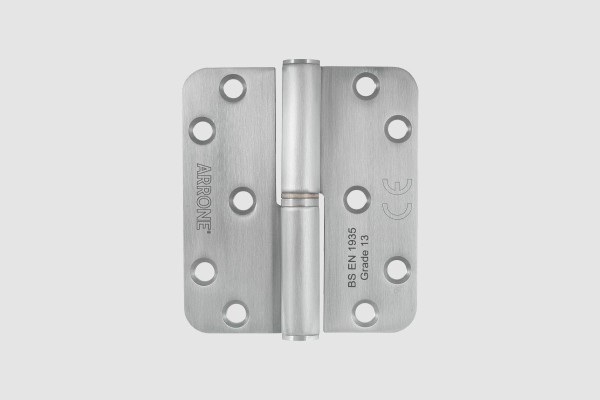
- Hinge: on the visible face of the hinge leaf
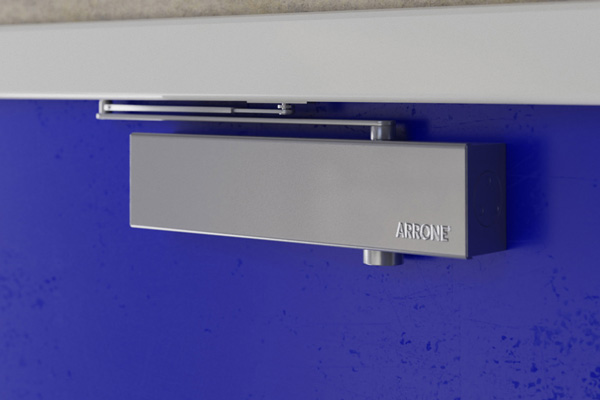
- Overhead Door closers: They can vary as some have overlying covers. If you remove a closer cover and look at the mechanism underneath you will see a CE/UKCA mark on the body if it has been tested to the correct standards. Equally, it is important to check that the unit is covered by the CE / UKCA mark in all applications Fig 1, Fig 6 & Fig 61 to accommodate any changes to plans.
- Floor Springs: Usually located on the mechanism
- Door Selectors/Co-ordinators: visible on the device after installation
- Panic and Emergency Exit Hardware: visible on the device after installation
- Door Coordinators: visible on the device after installation
- Door Sets: the label of compliance is usually found on the very top of the door
Harmonised product standards that require the application of a CE/UKCA mark
| Product | Performance Standard |
| Hinges | Single Axis Hinges BS EN 1935 |
| Door Closing Devices | Controlled Door Closing Devices BS EN 1154 Electrically Powered Hold-Open Devices BS EN 1155 |
| Door Selectors | Door Co-Ordinator Devices BS EN 1158 |
| Locks & Latches | Mechanically Operated Locks, Latches and Locking Plates BS EN 12209 |
| Emergency and Panic Exit Devices | Panic Exit Devices BS EN 1125 Emergency Exit Devices BS EN 179 |
Intumescent kits
It is important that intumescent requirements for items of ironmongery are fitted in accordance with the fire doors test evidence
HOPPE (UK) also uses a separate, optional third-party accreditation scheme called Certifire for its CE/UKCA marked products. This means that any accredited products are tested and certified above and beyond the levels required for CE /UKCA marking, giving extra peace of mind to the end user.
Keep up to date with the latest product guidance
HOPPE (UK) offers a free RIBA approved CPD seminar which focuses on ironmongery for fire and escape doors. The seminar aims to help those involved in specifying and installing hardware for fire doors to understand the critical role of fire doors and the importance of correctly specified door hardware.
For more information, or to book a CPD session at your place of work, please contact Andy Matthews on 01902 484 439 or visit our CPD page or email [email protected]
Further Articles on the Topic
Products HOPPE
-
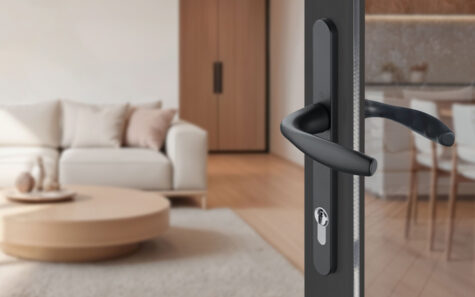
Choosing the Right Handle for Slim Aluminium & Bi-Fold Doors
The demand for slim door profiles continues to rise, especially in modern aluminium and bi-fold door systems. This makes selecting a slim, well designed, narrow backplate door handle essential.
To the article -
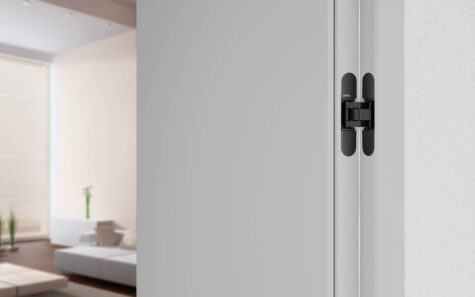
How the ARRONE AR8990 Concealed Hinge Transforms Modern Interior Design
Door hardware plays a significant role in interior design. Although it is often viewed as functional - something that helps a door to open and close, it is the final touches that can make a room look complete.
To the article -

Why Choose Anodised Aluminium for Door Handles
This blog post explores anodised aluminium, a sometimes-overlooked material, including its durability, aesthetics and sustainability.
To the article -
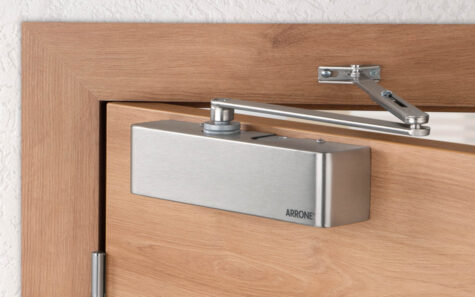
Door Hardware that Saves Lives
Fire doors are critical to building safety; they compartmentalise areas within a building to contain fires and protect lives. The way they perform not only depends on how they’re installed, but also on the door hardware used.
To the article -
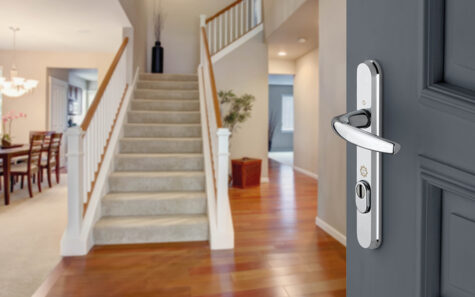
HOPPE Atlanta Security Handle: The Benchmark for Security, Quality, and Design
Launched in 2005, the Atlanta handle is one of HOPPE (UK’s) longest standing and best-selling products. Designed with a blend of security, style, and user comfort, it has become a trusted choice for installers and end-users alike.
To the article -

The Role of Certification in Door Hardware
Rob Adams, technical manager for ARRONE, is responsible for making sure all new and existing products have the right certifications. This includes having the right evidence for CE/UKCA marking in place.
To the article -
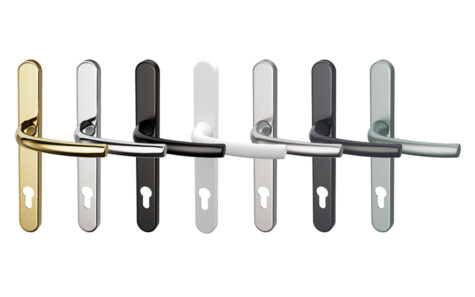
DEBAR BI-FOLD HARDWARE Teams Up With ARRONE To Let The Outdoors In
DEBAR BI-FOLD HARDWARE has become the first bi-fold door hardware systems manufacturer to offer the ARRONE AR7550 lever handle.
To the article -
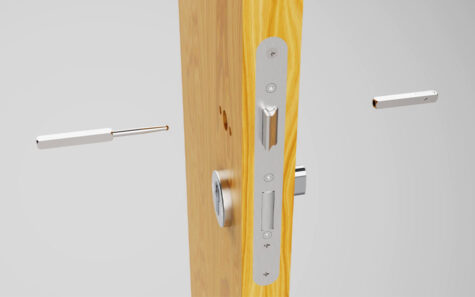
ARRONE Launches Innovative Split Spindle
The AR227 split spindle is designed to address challenges faced while installing escape locks.
To the article -
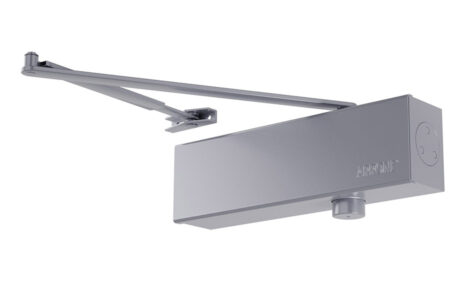
A Guide to Ironmongery for Steel Doors
A steel door can provide enhanced safety and security for buildings and their occupants. Our guide will help you choose the right hardware.
To the article -
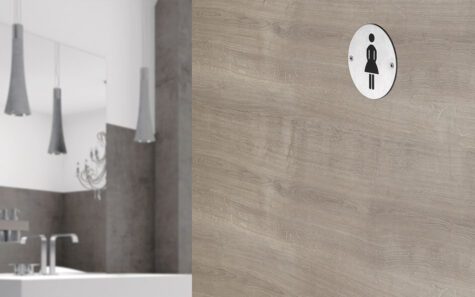
The Importance of Architectural Signage in Public Buildings
Specifiers and building managers have a moral duty to ensure building users feel comfortable and safe as well as to make sure a building is easy to navigate throughout. Signage plays an important part in this, but there are multiple considerations to ensure it is accurate and compliant with regulations.
To the article